How to save money on scenic train journeys

By Does Your Duck Quack ·

Begin with the outing you want to make, not the first low fare in a search result. Decide where the scenic ride starts and ends, which stop deserves a break and whether you need to return on a particular train. We put those decisions on paper before comparing tickets. A fare is good value when it covers the intended trip without forcing you to abandon the walk, meal or connection that made the journey appealing in the first place.

An Advance ticket can suit a direct ride when you can commit to the booked service. A more flexible ticket may suit a day whose return depends on a long stop. A ranger or rover deserves a comparison when the plan involves repeated journeys inside its covered area. These are different ways of paying for travel, not a ladder in which one type always wins. Compare the complete journey and its conditions, including the approach from home and the railway back afterwards.

Look at the travellers as carefully as the route. A Railcard discount depends on the card, the passenger and the journey conditions. Enter the correct passengers at the start of the search and check any requirement to travel together. Then compare the same itinerary with the appropriate discount applied. Buying a card is a separate cost to weigh against the trips you expect to make; eligibility alone does not establish that it is worthwhile for one short outing.

Split tickets are another comparison, with rules attached. They cover separate parts of one journey and can sometimes change the total, but National Rail explicitly says savings are not guaranteed. Keep the tickets and restrictions for every part together. For an ordinary split, check that the train calls at the joining station; special rules for certain passes and Season tickets need their own check. We explain those distinctions below alongside the limits of Advance fares, so the cheapest-looking search result can be assessed as a usable railway journey. Once the ticket fits, use our route guides for the window side, station stops and final connection home.

Our choices and how to plan them

  1. Advance fares: commit to the booked journey

    Advance tickets are limited-availability tickets tied to the booked service and the stated operator or route. They do not permit a sightseeing break at an intermediate station: connecting changes must follow the valid itinerary. Choose a different fare or separate properly planned journeys if the day includes an unplanned stop.

    Arrange a permitted change before the first reserved train departs; additional charges may apply. Ordinary Advance refunds are restricted, with separate rights when disruption leads you not to travel. Read the linked terms before booking.87

  2. Settle and Carlisle Railway at Selside Shaw. - geograph.org.uk - 398259
    RichTea · CC BY-SA 2.0

    Flexible fares: read the restriction

    Off-Peak and Super Off-Peak validity depends on the journey and its restriction code. Use the journey planner and the ticket’s own conditions; the name does not supply one universal rule for every route.

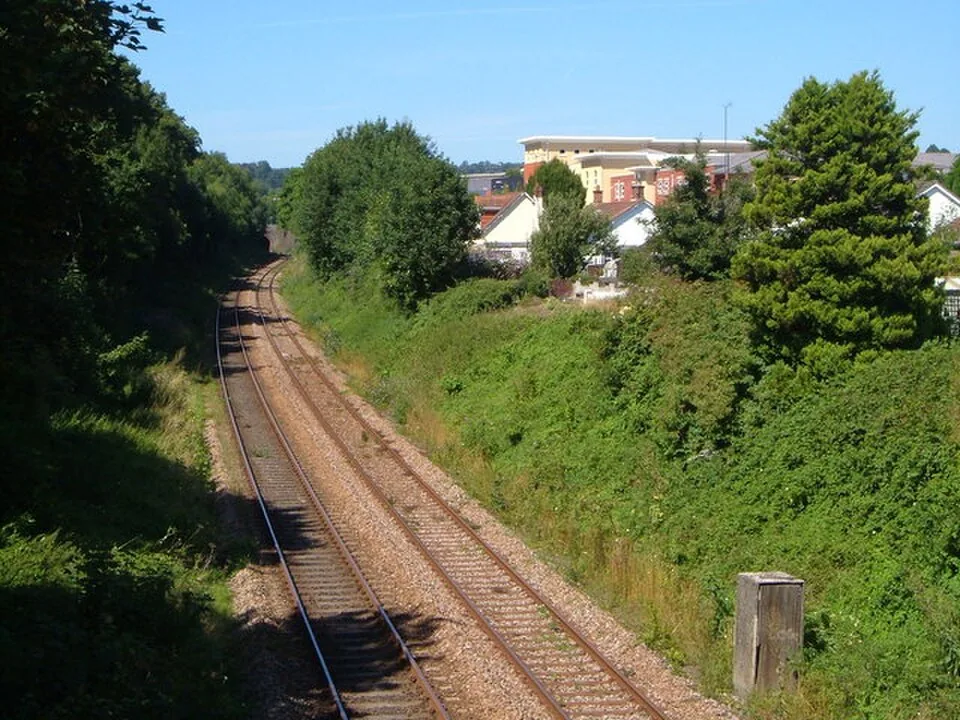
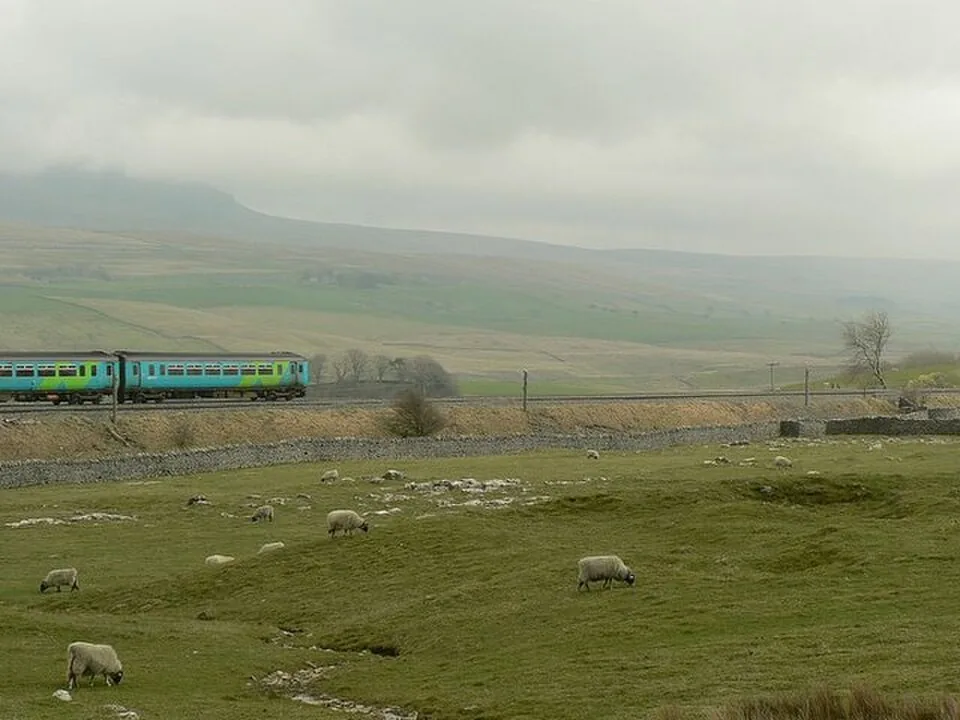
    Many tickets permit a break of journey, but check the specific fare before leaving the station to explore. For a Settle–Carlisle day, identify the intended village break first and compare tickets that actually allow it. Save the restriction code with the booking confirmation so you can check the return and any intended intermediate break.95

  3. Railway line north of Torre - geograph.org.uk - 214012
    Derek Harper · CC BY-SA 2.0

    Railcards: match the card to the party

    Railcards have eligibility and journey restrictions, including travel periods or minimum fares where applicable. Family & Friends requires the qualifying group to travel together under its conditions; Two Together applies when both named adults make the journey together. Carry the valid card used for the discount.

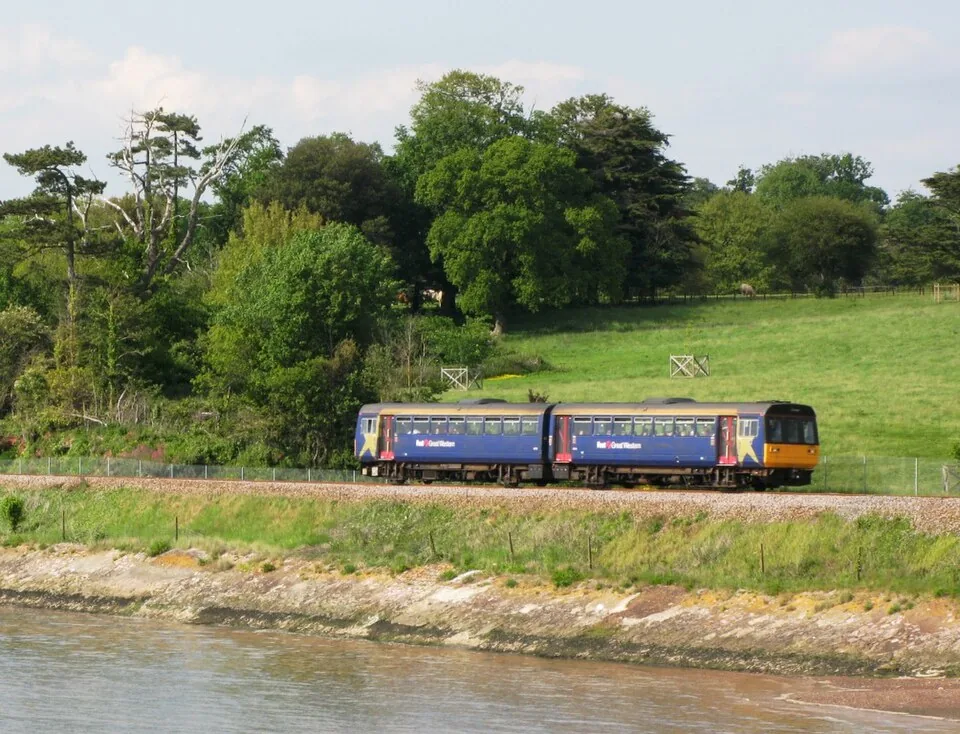
    Our Railcard guide compares the different cards. Use it to narrow the choice, then check the official terms for your actual journey. A coast trip on the Riviera Line and a longer approach journey can be entered as one complete comparison.1110128

    Visit Railcards: match the card to the party

  4. Avocet Line 142068 near Lympstone
    Geof Sheppard · CC BY-SA 4.0

    Rangers and rovers: compare the whole day

    GWR currently sells ranger and rover tickets for travel within defined areas. Their usefulness depends on the permitted routes, operators, days and any travel restrictions. Mark every leg of the intended day against the product map before comparing its total with ordinary tickets.

    Repeated branch-line rides can make an area ticket worth investigating, but one short return may have a different result. Our national overview and country guides provide the next checks; use the linked operator map to confirm the precise coverage.3

    Visit Rangers and rovers: compare the whole day

  5. Split tickets: valid combinations, not guaranteed savings

    For an ordinary split-ticket journey, the train must call at the station where one ticket ends and the next begins. You normally stay aboard, but must hold valid tickets for the whole journey and obey each ticket’s service, route and discount restrictions. Compare the complete total: a split is not guaranteed to cost less.

    National Rail gives exceptions when combining a Season ticket or certain area-based tickets with another ticket. Those exceptions do not turn every split into permission to pass the joining station without stopping. Check section 14 of the Conditions of Travel for the particular combination.

    If reservations are available, arrange them for the separate tickets. Keep all parts together during the journey and retain the itinerary when seeking help after disruption.64

  6. CromerStation
    Whittlepedia · CC BY 3.0

    Compare the trip before completing the booking

    Search the outward and return legs together and as suitable singles, then compare flexibility and the total payable. Check the selected stations carefully, especially where a town has more than one station. Leave a workable connection between the scenic service and the journey home.

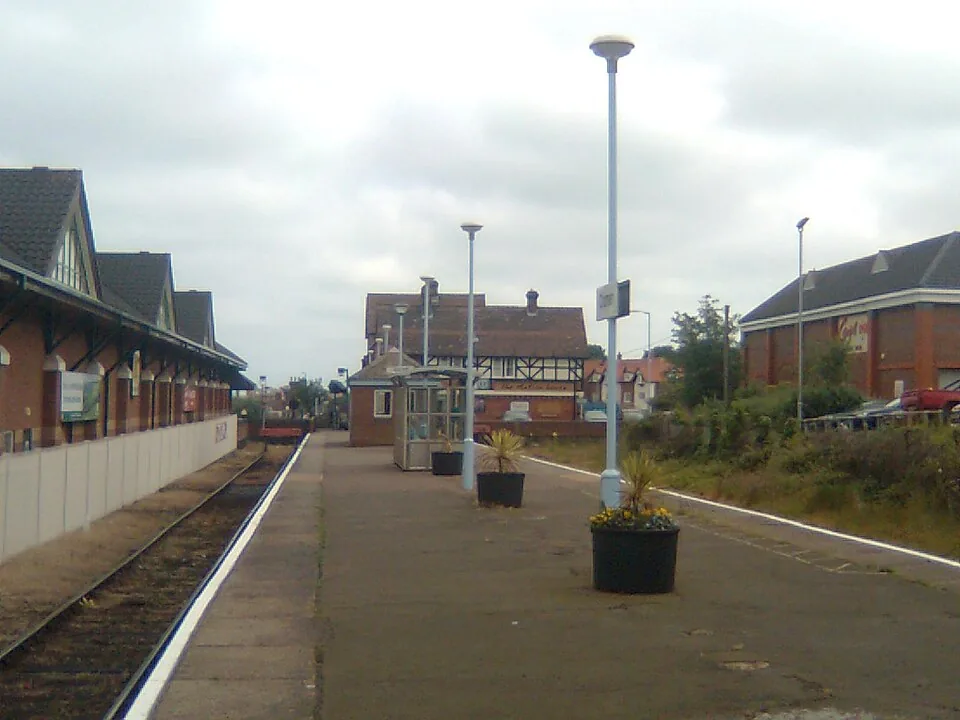
    For the Bittern Line, plan whether the day finishes at Cromer or Sheringham before selecting the return. A ticket to one destination is not a substitute for checking the permitted journey to another. Use the fare’s stated route and any break-of-journey rules.45

Frequently asked questions

Can I get off for a walk with an Advance ticket?

Not as a break of the booked journey. Advance terms allow intermediate changes only as part of the valid connecting itinerary; plan separate journeys or choose a ticket whose conditions permit the stop.

Must the train stop where split tickets meet?

For an ordinary split, yes. National Rail identifies exceptions for Season tickets and some area-based tickets. Check the Conditions of Travel for that specific combination instead of applying an exception to every split.

Are split tickets always cheaper?

No. National Rail says they are not guaranteed to cost less. Compare the full total and check the restrictions on every ticket.

Will a rover save money on a scenic trip?

Compare it with the tickets for the journeys you actually plan. Check the covered area, operators and travel conditions before buying; a rover need not win for a single short return.

Can I use any Railcard on an Advance fare?

Check the card and the ticket. The official Advance terms list accepted discounts and exclusions; Railcard eligibility does not mean every card discounts every fare.

Sources

  1. Enjoy your day at Severn Valley Railway | Ticket Prices
  2. FAQs - 16-25 Railcard
  3. www.gwr.com
  4. National Rail Conditions of Travel | National Rail
  5. Breaking Your Train Journey | National Rail
  6. Split Train Tickets | National Rail
  7. Advance Train Tickets | National Rail
  8. Advance Tickets Terms and Conditions | National Rail
  9. Off-Peak and Super Off-Peak Tickets | National Rail
  10. Family & Friends Railcard Terms & Conditions
  11. Railcard Eligibility | Which Railcard am | Eligible for?
  12. Two Together Railcard | Railcards