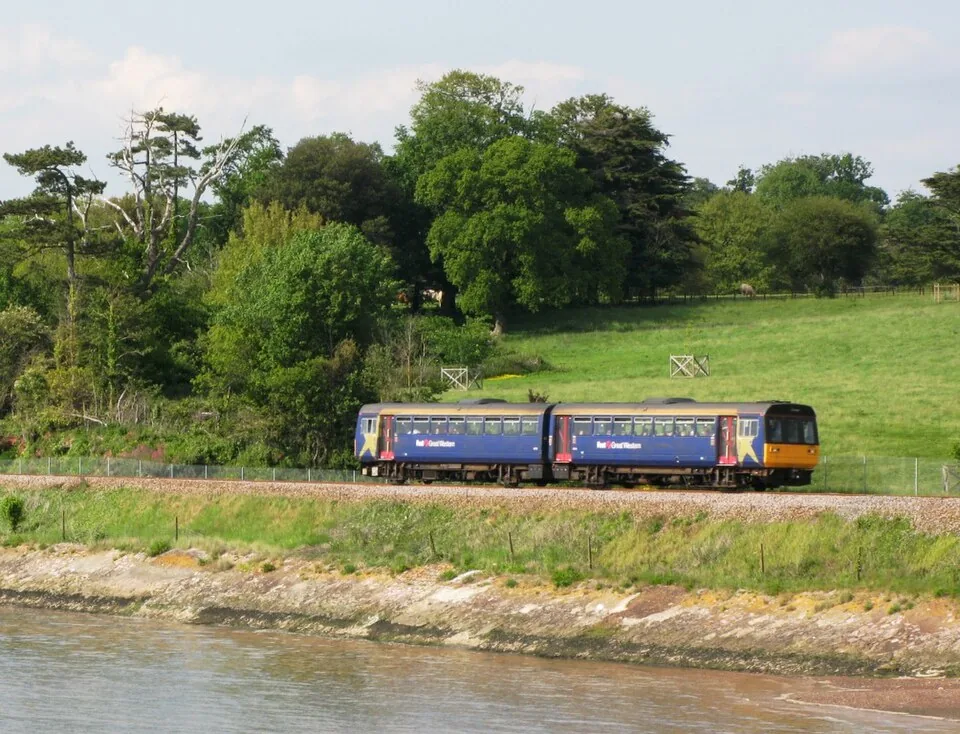
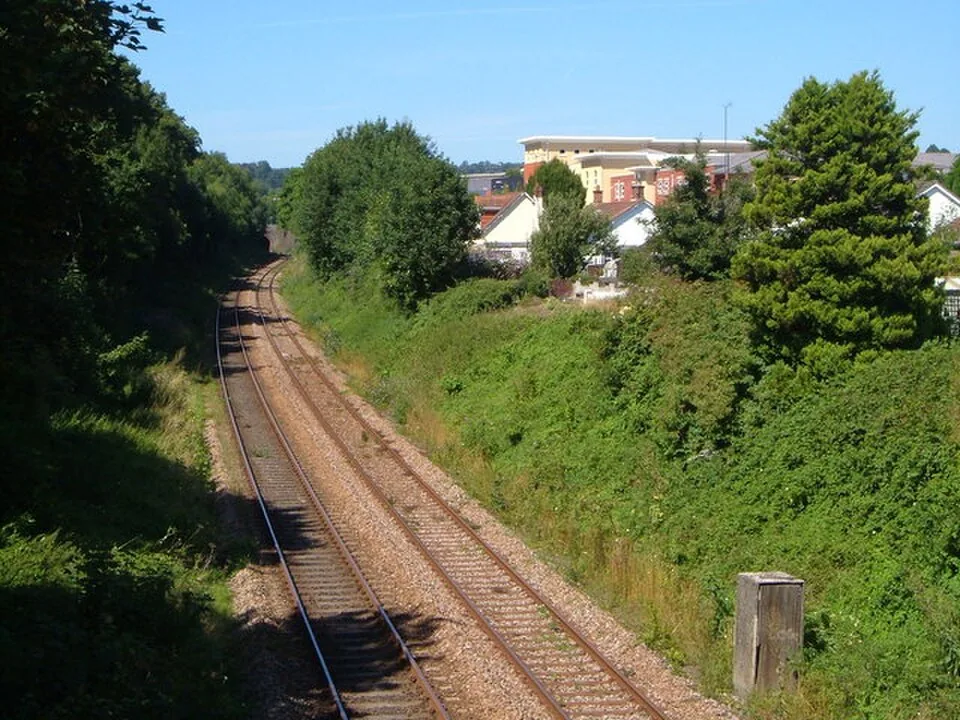
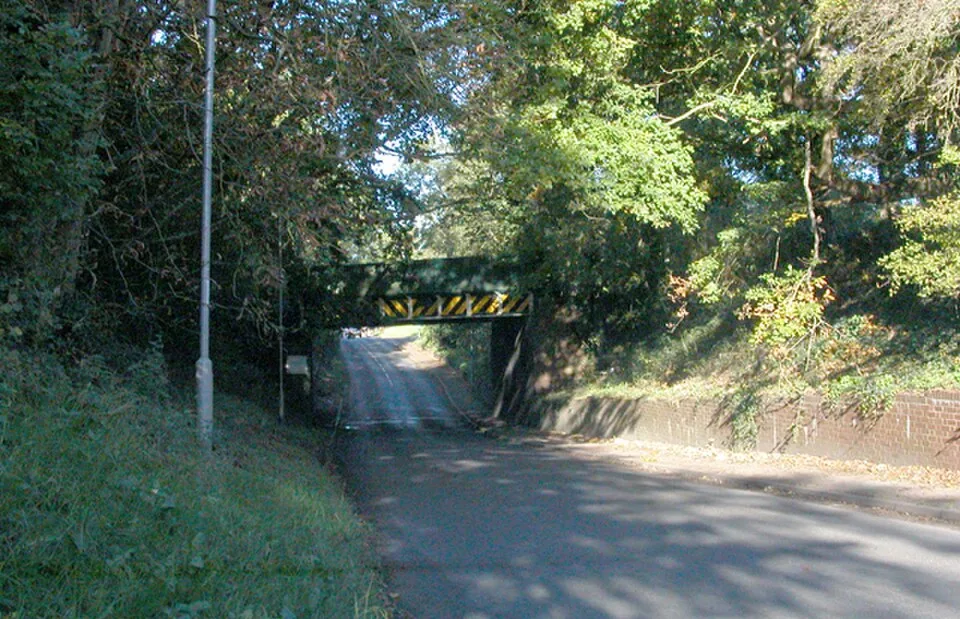
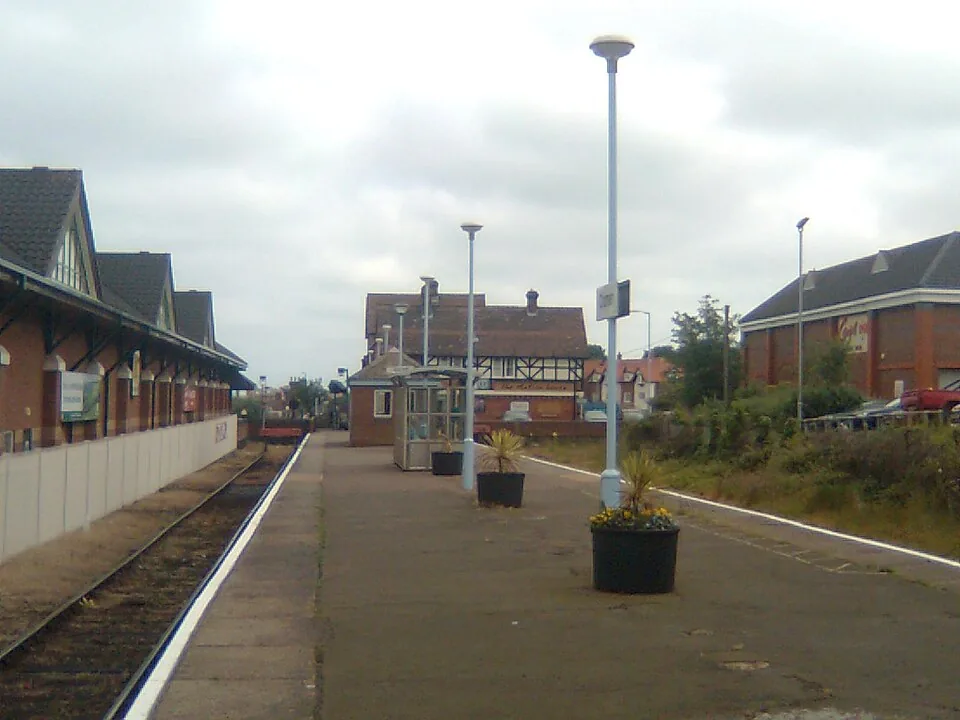
A normal scheduled Great Western Railway service from Exeter to Exmouth. After crossing the city, the line reaches Topsham and then keeps close company with the Exe Estuary, passing waterside villages, mudflats and bird-rich shallows before finishing near Exmouth's seafront.
Use the operator’s timetable to choose your outward and return services.3
Reservations
A reservation rarely guarantees a particular side or that the seat aligns with a window.
Typical train
See the operator’s train information for onboard facilities.
Pick your window
Which side to sit on the Avocet Line
The Exe Estuary lies on the right towards Exmouth along the eastern-bank stretch beyond Topsham through Exton and Lympstone.2
right side
Exeter St Davids to Exmouth
Facing forwards: favour the right window.
The Exe Estuary lies on the right towards Exmouth along the eastern-bank stretch beyond Topsham through Exton and Lympstone. The tide changes the water and mudflat pattern; the city approach does not offer the same open estuary view.12
left side
Exmouth to Exeter St Davids
Facing forwards: favour the left window.
Sit on the left (facing forwards) for the Exe Estuary along the eastern-bank railway through Lympstone, Exton and Topsham towards Exeter.12
Why ride it
The view from the train
The Avocet Line joins Exeter with Exmouth through Topsham and the eastern shore of the Exe Estuary. Exeter St Davids is the main-line interchange, while Exeter Central provides another city boarding point. The suburban start precedes the waterside landscape: the route passes Topsham, Exton and Lympstone before reaching Exmouth. A train ticket buys a short estuary journey, with the sandy beach reached on foot from the terminus.
The railway runs on the estuary's eastern bank. Heading south towards Exmouth, the water lies to the right; heading back to Exeter, it lies to the left. Mudflats, channels and boats replace a fixed shoreline as the tide changes. The opposite bank contains the Powderham and Starcross landscape. The recommended side covers the estuary stretch, not every city cutting or station approach.
The line takes its name from the avocet, linking the railway with the estuary's birdlife. Topsham provides access to the RSPB reserves at Bowling Green and Goosemoor, near the meeting of the Exe and Clyst. The train gives a moving view; a reserve visit supplies time to watch birds from the designated paths or viewpoints. Exmouth then changes the setting from sheltered estuary to the sandy coast at its mouth.
TopshamExe EstuaryExmouth seafront
Best stops on the Avocet Line
Choose one main stop for a day out. Distances are one way from the station unless a circuit is stated; walking times are our estimates except where the attraction publishes one. Allow-time suggestions include time to look around.
Request stop: No — use a service shown as calling here.15
What is nearby
Topsham Town Trail, Goat Walk and Bowling Green Marsh — The station circuit reaches the riverside and bird reserve, returning through the town.
From the platform
For the full town trail, turn left out of the station, then right to the roundabout and left along Elm Grove Road. Follow the published loop through Highfield Farm, the waterfront and Goat Walk before returning past Bowling Green Marsh. Its 3.6 miles include farmland paths as well as surfaced lanes; this is a full circuit, not the distance to the quay.
Access: Topsham station has category B1 access, with step-free routes that may use ramps or streets. The town trail includes farm gates and uneven ground. Topsham Museum’s building is currently closed for structural repairs; plan the break around the waterfront and town streets.
Food and drink
The Bridge Inn — The pub on Bridge Hill serves drinks and advertises visiting food provision; check its own food page before relying on a meal.
Allow time: Allow 2½–3 hours for the complete trail and a refreshment stop; the waterfront alone makes a shorter outing.
Request stop: No — use a service shown as calling here.6
What is nearby
Exmouth Seafront and Orcombe Point circuit — The walk follows the promenade and climbs to the start of the Jurassic Coast, returning through the town.
From the platform
Leave past the bus station along Imperial Road, then use Langerwehe Way, Camperdown Terrace and Victoria Road to reach the seafront. Turn left along the Esplanade, continue past the lifeboat station and climb the zigzag coast path towards Orcombe Point. The published 4.4-mile loop includes the return to the railway; stop on the promenade if the hill section is too much.
Access: Exmouth station is category A with step-free platform access. The promenade and the clifftop circuit differ: the latter has a climb, rough optional paths and sections above the beach. We recommend keeping to the named public coast path and treating the dune and cliff extensions as uneven walking.
Food and drink
The Point Exmouth Marina — The marina restaurant serves food and drinks beside the water; use its current owner’s website for the menu.
Allow time: Allow 3–4 hours for the full seafront circuit and a meal, or stay overnight for a slower coastal visit.
Eight route photographs link to their original Wikimedia Commons pages for the creator, licence and reuse terms.
How to get to the Avocet Line
By train
Reach Exeter St Davids on the main line and change for the Avocet Line to Exmouth. Exeter Central is another useful city boarding point; the local service also calls at Topsham before reaching the coast.15
By bus
Exmouth’s bus station is beside the railway station, making the seafront a practical rail-and-bus arrival. Use the Devon bus journey planner for onward coastal journeys.1917
By car
Check GWR’s station information for parking at Exeter St Davids or Exmouth before driving. Exmouth is the coastal terminus, so a car left there suits a return rail journey up the estuary.56
Returning from the far end
Return from Exmouth on the Avocet Line towards Exeter Central and St Davids. If combining the train with a coastal walk, make Exmouth station the clear end point of the outing.1
Day trip or overnight
For an easy day trip, ride through to Exmouth, walk from the station towards the marina or seafront, and return from the same station after checking the current service. Topsham makes a useful optional stop for its estuary setting, but only build it into the day after confirming that your chosen trains call there. An overnight in Exeter offers the most flexibility; staying in Exmouth suits a slower coastal break.3
Accessibility
National Rail currently lists both Exeter St Davids and Exmouth as step-free category A, with step-free access to all platforms. Exeter St Davids has lifts; Exmouth is a level, single-platform terminus and has no lifts. Facilities, staffing and access differ at the smaller intermediate stations, so check each intended stop and use GWR Passenger Assist when helpful; platform-to-train boarding may still require a ramp.4
When to go
For Avocet Line, choose the season around the scheduled service and the daylight needed at Topsham. Spring and summer provide longer daylight for the estuary trail and seafront, while autumn and winter can be especially rewarding for estuary birdlife. Coastal weather, short winter daylight and engineering work can affect the wider day, so check GWR's current timetable and travel updates close to departure.3
Tickets
Buy the Exeter–Exmouth journey through GWR or a National Rail retailer. Check the starting station: Exeter Central may be the convenient city stop, while Exeter St Davids supplies main-line connections. A stop at Topsham needs a ticket whose break-of-journey conditions permit it, or separate tickets for the planned legs. Community rail ticket pages explain buying choices and current offers. Do not assume an estuary cruise, bus or other local attraction is included in the railway fare. The return timetable should include the same boarding point selected for the end of the visit.11
The right-hand window towards Exmouth is the estuary choice. Low tide exposes channels and mudflats; higher water gives a broader reflective surface. A distant bird can be difficult to identify from a moving train, so use the reserve's designated viewing places for closer observation. Topsham's quayside and Exmouth's promenade allow photographs without window reflections. Leave the railway seat for passengers boarding at intermediate stops only when ready to alight, and keep binoculars or camera straps out of the aisle.112
On board
The short ride works as a city-to-coast journey, but intermediate stops are also part of daily local travel. Prepare to leave the train before the chosen stop without blocking the doorway. Bring a drink for the beach walk and use the town for food. The estuary trail is a separate walking or cycling route, so carrying a bicycle depends on GWR's current policy and available space. Exmouth is a level terminus, while the access arrangements of smaller stations must be checked individually.1
Frequently asked questions
How long is the Avocet Line?
Exeter Central–Exmouth takes about twenty-eight minutes; a journey from Exeter St Davids is longer. Check GWR's current timetable for the precise departure and stops. A Topsham visit adds walking and waiting time.10
Which side is best on the Avocet Line?
The Exe Estuary lies on the right towards Exmouth along the eastern-bank stretch beyond Topsham through Exton and Lympstone. The tide changes the water and mudflat pattern; the city approach does not offer the same open estuary view.12
Is the Avocet Line suitable for a day trip?
Yes. Exmouth's beach is a short walk from the station, and Topsham adds a compact waterfront stop. A reserve visit or longer coastal walk needs extra time outside the train journey.710
Is the Avocet Line accessible?
Exeter St Davids and Exmouth are listed as step-free category A, but confirm the intended intermediate stations and boarding assistance. Reserve paths, beach access and the full estuary trail require separate checks.4
How do I get to the start of the Avocet Line?
Reach Exeter St Davids on the main line and change for the Avocet Line to Exmouth. Exeter Central is another useful city boarding point; the local service also calls at Topsham before reaching the coast.15
Further reading
Read the route
Chosen for this line, its train type or the wider pleasure of slow rail travel.
Physical edition
Slow Trains Around Britain
by Tom Chesshyre
A contemporary, slow-travel circuit of Britain for readers who enjoy the journey as much as the destination.