Exeter Central to Barnstaple
The railway and winding Taw change their relationship along the valley, with crossings between Eggesford, Umberleigh and Barnstaple. River glimpses, fields and woods alternate between windows, so watch both sides.9

England · Devon, the Yeo and Taw valleys, and North Devon
Exeter Central → Barnstaple
A gentle branch-line journey through Devon's wooded river valleys
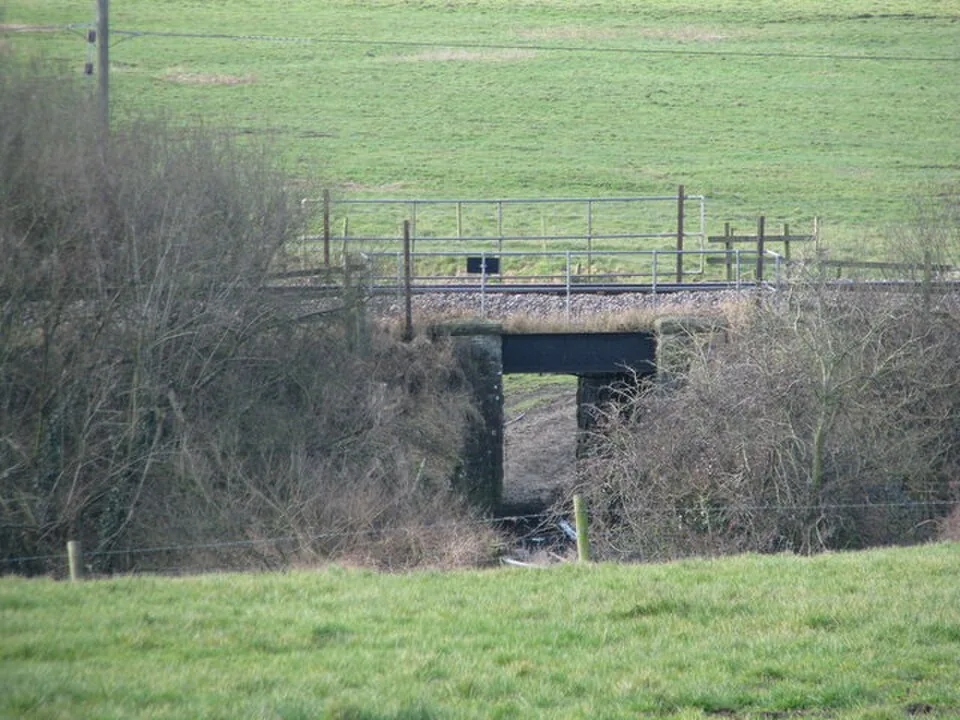
Sarah Charlesworth · CC BY-SA 2.0 · Photograph source
Some links earn us a small commission at no extra cost to you.
Before boarding
A normal scheduled Great Western Railway service linking Exeter with Barnstaple. Beyond Crediton, the train threads quiet farming country and follows the Yeo and Taw valleys through a sequence of small rural stations before reaching North Devon's principal town.
Pick your window
Watch both sides for the Taw, fields and woods between Eggesford, Umberleigh and Barnstaple as the railway crosses the valley.2
The railway and winding Taw change their relationship along the valley, with crossings between Eggesford, Umberleigh and Barnstaple. River glimpses, fields and woods alternate between windows, so watch both sides.9
Watch both sides towards Exeter for the Taw valley through Umberleigh and Eggesford. River crossings, bends, fields and woods change the view between the windows.9
Why ride it
The Tarka Line links Exeter with Barnstaple through Crediton and the wooded valleys of inland Devon. The route shares the Exeter approach with the Dartmoor Line before the branches separate beyond Crediton. Barnstaple trains continue through Copplestone, Lapford and Eggesford into the Taw country. This is a river-valley journey to a North Devon market town; the beaches at places such as Woolacombe and Croyde require onward travel beyond the railway terminus.
Kings Nympton, Portsmouth Arms, Umberleigh and Chapelton mark the lower-valley approach to Barnstaple. The railway follows the winding Taw, crossing or changing its relationship to the river as it passes fields, trees and villages. Both sides therefore have useful outlooks. A stretch of water on one side does not establish a single river-facing window for the whole route. The closing arrival brings the town and the trail connections beyond the station.
The line opened in 1854. Its name recalls Henry Williamson's novel Tarka the Otter, whose North Devon setting gives the railway and the walking trail a shared identity. The passenger line and the traffic-free trail are different routes: one carries the train into Barnstaple, while the other uses former railway corridors beyond the town. A day can combine them without cycling the full trail, provided the walking or cycling distance leaves time for the return departure.
Choose one main stop for a day out. Distances are one way from the station unless a circuit is stated; walking times are our estimates except where the attraction publishes one. Allow-time suggestions include time to look around.
Stop 1
Get off for Holy Cross church and the old market town above the railway.
From the station: about 0.71 miles (around 20 minutes’ walk)1417
How we measureCheck the next train back before leaving the station
Request stop: No — use a service shown as calling here.16
Crediton Parish Church — The church of Holy Cross is the landmark at the eastern end of the town centre.
From Station Approach, follow the town route by Station Road, Four Mills Lane and Mill Street, then Church Lane to Holy Cross. The measured walk is about 0.71 miles and rises from the railway towards the town.
Access: Crediton has step-free platform access via potentially long or steep approaches. The town walk also has gradients and street crossings; check the church’s visitor information for entry arrangements instead of treating the station category as a guarantee for the whole visit.
Crediton Station Tea Rooms — The station café makes a short stop possible even without walking up into the town.
Allow time: Allow 1½–2 hours for the church and town, or a shorter station café break.
Some links earn us a small commission at no extra cost to you.
Stop 2
Use the midway station for the woodland walk to Flashdown Woods.
From the station: 2.5 miles (about 1¼ hours’ walk), full station circuit19
How we measureCheck the next train back before leaving the station
Request stop: No — use a service shown as calling here.16
Flashdown Woods station circuit — The woodland outing starts beside river views and visits the Forestry Commission’s early planting landscape.
Exit on the opposite side from the station building, using the authorised level crossing if needed, then turn right across the river bridge. Take the lane signed towards Wembworthy and Winkleigh and climb its fairly steep hill to the forest entrance. Follow the woodland circuit and retrace the approach to the station; the whole outing is a published 2.5 miles.
Access: Eggesford has step-free platform access via potentially long or steep approaches. The walk continues onto lanes and woodland tracks; the guide warns that the approach lane can be icy in freezing weather. Check conditions before leaving the station.
Tarka Line Bistro — The independent café is beside the railway in Eggesford Station Yard.
Allow time: Allow 2–3 hours for the woods and the station café.
Some links earn us a small commission at no extra cost to you.
Stop 3
Stop for the River Taw and a countryside circuit from the village station.
From the station: 3 miles (around 1½–2 hours’ walk), full station circuit22
How we measureCheck the next train back before leaving the station
Request stop: Yes — tell the railway team before travelling.16
Umberleigh and Pitt Woods circuit — The rail partnership’s walk links the village with lanes and woodland around Brightley Barton and Pitt Woods.
Start from the station and follow the leaflet’s Umberleigh loop towards Brightley Barton and Pitt Woods, returning by the mapped village approach. The three-mile circuit includes countryside away from the immediate river frontage; it is not a three-mile walk to the pub.
Access: Umberleigh station has step-free access to its platform. The rural loop includes uneven paths, woodland and gradients, so it is not a step-free walk; assess the leaflet’s field and lane sections before leaving the village.
The Rising Sun — The food-serving village pub is close to the railway; the community guide gives a three-minute station walk.
Allow time: Allow 2½–3 hours for the circuit and lunch beside the village.
Some links earn us a small commission at no extra cost to you.
Stop 4
Finish on the Taw with the Tarka Trail and a café beside the train.
From the station: 8.5 miles (3½–4 hours’ walk), complete station outing24
How we measureThis is the whole out-and-back, not the distance to Fremington Quay. The marsh has separate restrictions on dogs and bikes.
Check the next train back before leaving the station
Request stop: No — use a service shown as calling here.16
Home Farm Marsh via the Tarka Trail — The published out-and-back follows the estuary past Fremington Quay to the marsh and its birdwatching viewpoints.
From the station, join the signed Tarka Trail along the Taw estuary towards Fremington Quay. Follow the linked guide for the Home Farm Marsh extension and retrace the trail to the railway; the full route is 8.5 miles.
Access: Barnstaple station is step-free and the Tarka Trail section is flat with a good surface. Home Farm Marsh paths are a separate part of the outing, so do not assume the complete route has the same access standard; the reserve does not allow dogs or bicycles.
Stationmaster’s Café — The independent café is at Barnstaple station, before the walk or the journey home.
Fremington Quay Café — The café at Fremington Quay provides a refreshment stop along the Tarka Trail route.
Allow time: Allow half a day for the full marsh walk, or 1–2 hours for a shorter trail out-and-back and station café stop.
Some links earn us a small commission at no extra cost to you.
Community photographs
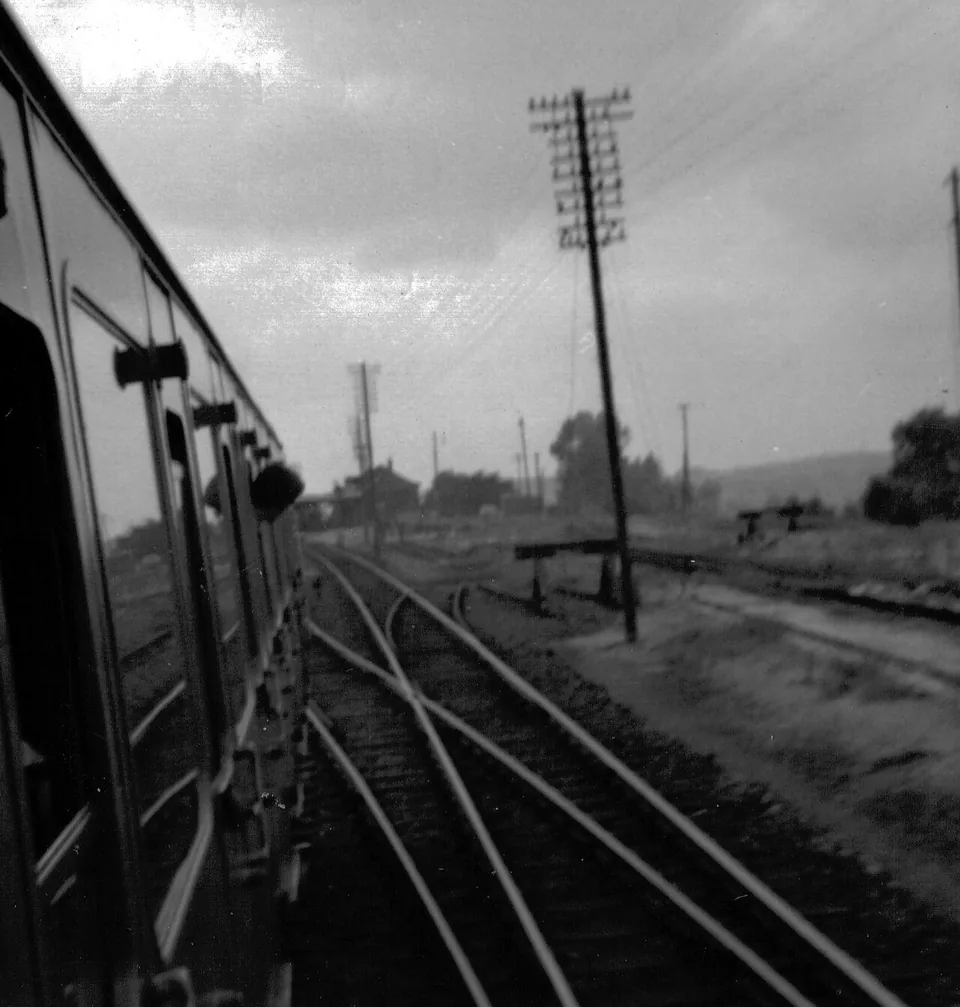
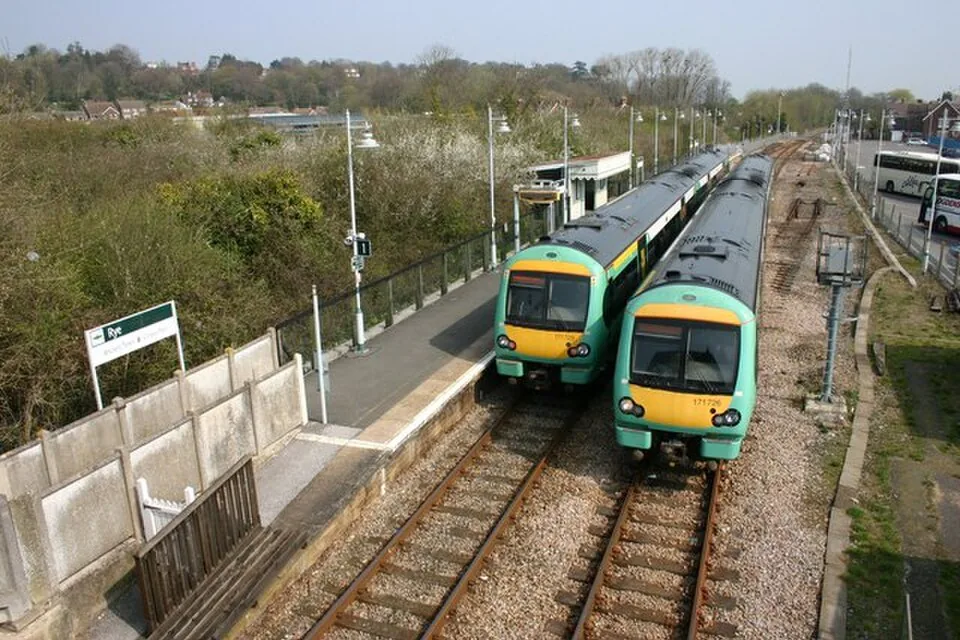
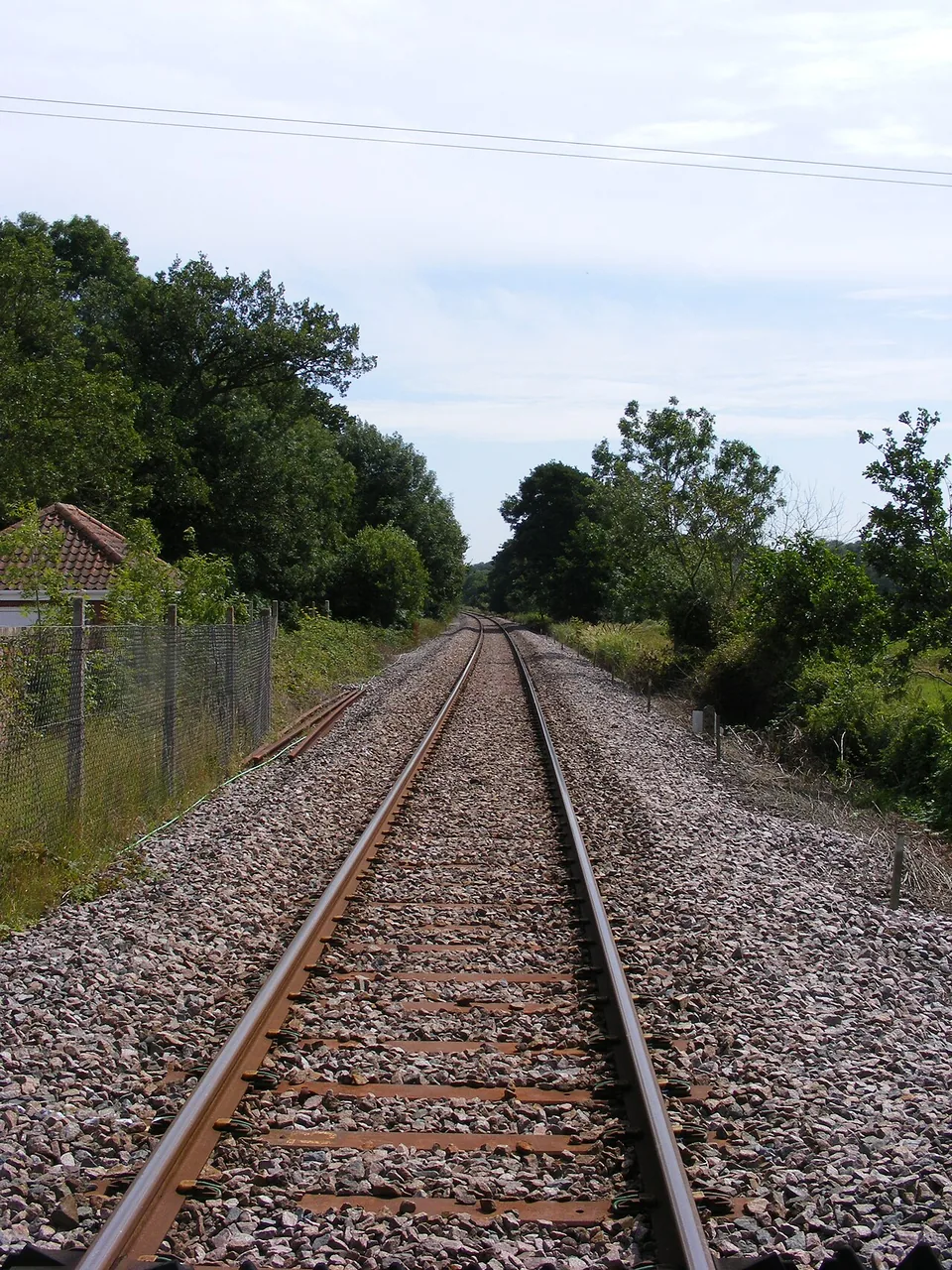
A selected visual sequence of railway, landscape and stations along the journey.


Eight route photographs link to their original Wikimedia Commons pages for the creator, licence and reuse terms.
Join at Exeter St Davids for the Tarka Line to Barnstaple, with main-line connections from London Paddington, Bristol and Plymouth. Some services also serve Exeter Central; use GWR’s route timetable to choose the Exeter station and any intermediate request stop deliberately.16125
A bus arrival in Exeter can connect with the railway through the city’s local network: use the station-specific Traveline result for Exeter St Davids, not just Exeter city centre. At the far end, the Home Farm Marsh walk guide identifies a bus option for shortening the return from the Tarka Trail.262724
Exeter St Davids and Barnstaple both have published station parking. For a day along the whole line, choose one as the drive-to start and keep a return train to that station in the plan; a long trail walk can otherwise use the time intended for the last rail leg.255
Barnstaple trains return towards Exeter through the same valley. Umberleigh is a request stop in the current GWR timetable: tell the conductor before alighting and signal clearly from the platform when boarding, then leave enough margin at Exeter for the main-line connection.16
For a practical day trip, travel to Barnstaple and choose either the historic town centre or a short, level section of the traffic-free Tarka Trail from near the station, leaving a generous margin for the return train. Crediton or Eggesford can work as a stop-off only after checking the current service pattern. An overnight in Barnstaple gives more time for an onward bus to the North Devon coast, but train and bus connections should be planned separately.3
Exeter Central and Barnstaple are currently listed by National Rail as step-free category A, but smaller intermediate stations have varying access, staffing and onward paths. GWR trains carry boarding ramps and Passenger Assist is available; check the exact station pages and arrange help when useful. The Tarka Trail is level near Barnstaple, but confirm the chosen section and any bike or mobility-equipment arrangements before travel.4
Use the published Tarka Line services when choosing the travel season for this scheduled railway outing. Spring and summer provide long daylight for combining the train with Barnstaple or the Tarka Trail; autumn suits the wooded valley sections. Winter can still be atmospheric, but short daylight, river weather and engineering work make a close-to-travel timetable and disruption check especially important.3
Use GWR's current timetable and ticket booking for Exeter–Barnstaple. Check that the outward and return trains call at any intermediate station selected for a walk. Stop-off rights depend on the fare bought, so read the break-of-journey conditions before adding Crediton or Eggesford. The community rail site explains current fares and buying options without requiring a printed price in this guide. Cycle hire, local buses and museum visits are separate purchases. Exeter Central and Exeter St Davids are different stations: select the one that fits the main-line connection and confirm the boarding point.8
Woodland alternates with open fields and river glimpses. The Taw changes sides along the winding route, so use whichever window has a clear view on the stretch being travelled. A short exposure helps with nearby trees; wider landscapes are easier than trying to catch a single bridge from a moving train. In Barnstaple, the bridge walk gives a stationary river subject. Crediton's station buildings provide railway details without having to photograph through glass. Keep cameras and bags clear of the aisle at village stops.19
The approximately seventy-five-minute journey is long enough to bring a drink and a snack, especially before a woodland stop. Use Crediton or Barnstaple for a café visit. Small stations have fewer facilities than Exeter's main interchange, and onboard arrangements depend on the train actually operating. For a bicycle day, check GWR's carriage policy as well as hire availability. Onward coastal buses depart under separate timetables; identify the return bus and the train connection before leaving Barnstaple for a resort.1
The Exeter–Barnstaple ride takes about seventy-five minutes. The current GWR timetable gives the exact stopping pattern. A town visit or trail outing adds time beyond the train ride.1
The railway and winding Taw change their relationship along the valley, with crossings between Eggesford, Umberleigh and Barnstaple. River glimpses, fields and woods alternate between windows, so watch both sides.9
Yes. Barnstaple's centre is about ten minutes' walk from the station, and the Tarka Trail adds a short walking or cycling option. The North Devon beaches need a separate bus or other onward connection.7
Check GWR and National Rail information for the exact stations and arrange Passenger Assist when useful. A level trail near Barnstaple does not establish access along every woodland walk or the entire trail network.4
Join at Exeter St Davids for the Tarka Line to Barnstaple, with main-line connections from London Paddington, Bristol and Plymouth. Some services also serve Exeter Central; use GWR’s route timetable to choose the Exeter station and any intermediate request stop deliberately.16125
Read the route
Chosen for this line, its train type or the wider pleasure of slow rail travel.
by Henry Williamson
The North Devon classic that gave the Tarka Line and Tarka Trail their names.
View physical book (opens in a new tab)by Tom Chesshyre
A contemporary, slow-travel circuit of Britain for readers who enjoy the journey as much as the destination.
View physical book (opens in a new tab)Further reading
Official planning
Book with the railway, or use National Rail to put your journey together.
Some links earn us a small commission at no extra cost to you.
Find places to stay in Barnstaple on Booking.com (opens in a new tab) Open www.gwr.com (opens in a new tab) Book your tickets (opens in a new tab)Continue exploring