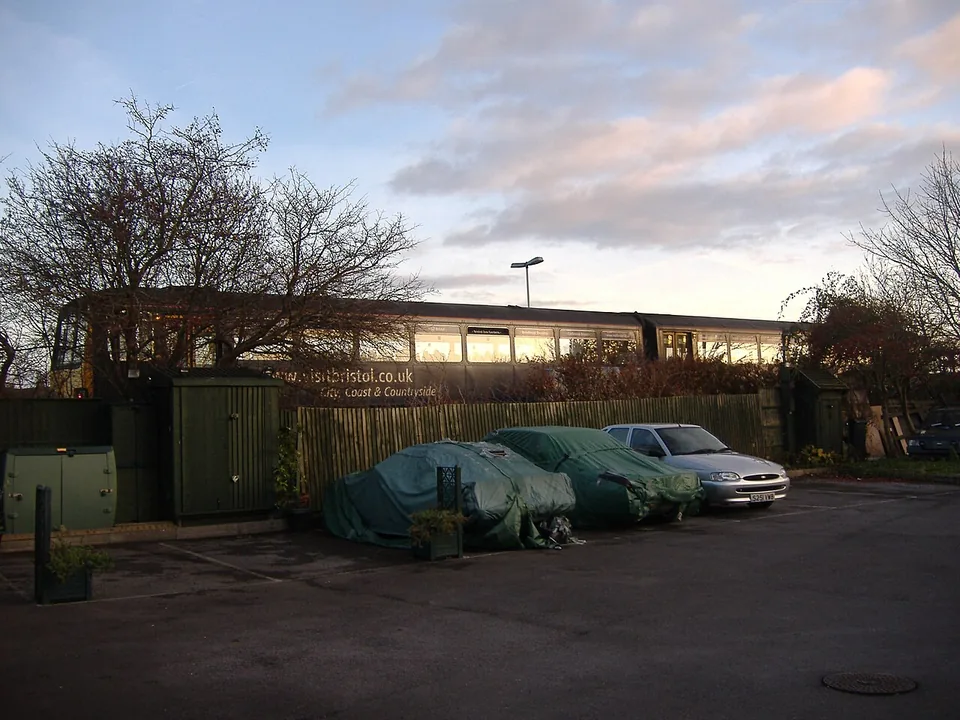
A normal scheduled Great Western Railway service from Exeter to Okehampton, restored for regular passenger use in 2021. Beyond Crediton, the line crosses quiet Mid Devon countryside before reaching Okehampton Interchange and the historic station on the northern edge of Dartmoor National Park.
Use the operator’s timetable to choose your outward and return services.1
Reservations
A reservation rarely guarantees a particular side or that the seat aligns with a window.
Typical train
See the operator’s train information for onboard facilities.
Pick your window
Which side to sit on the Dartmoor Line
The northern edge of Dartmoor lies to the left on the westbound approach to Okehampton, south of the railway.3
left side
Exeter St Davids to Okehampton
Facing forwards: favour the left window.
The northern edge of Dartmoor lies to the left on the westbound approach to Okehampton, south of the railway. Trees and cuttings interrupt the outlook; the train ends at the historic station and does not cross Meldon Viaduct.11
right side
Okehampton to Exeter St Davids
Facing forwards: favour the right window.
Sit on the right (facing forwards) for the northern Dartmoor edge, south of the railway leaving Okehampton towards Exeter; trees interrupt views.11
Why ride it
The view from the train
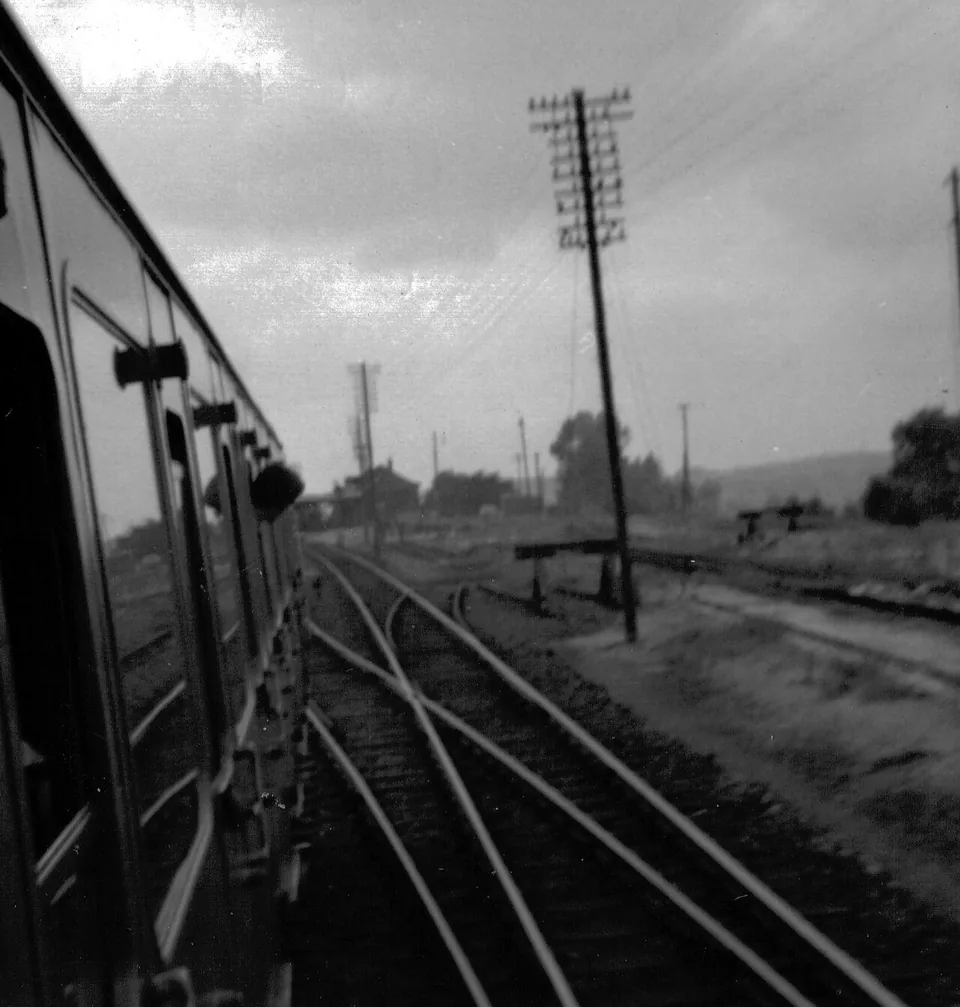
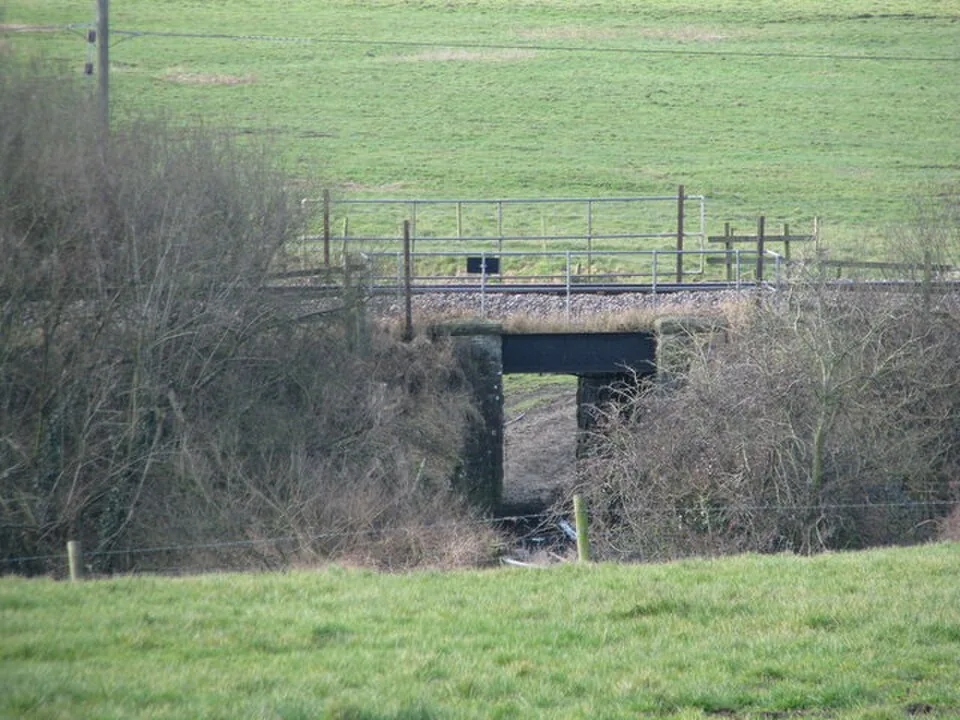
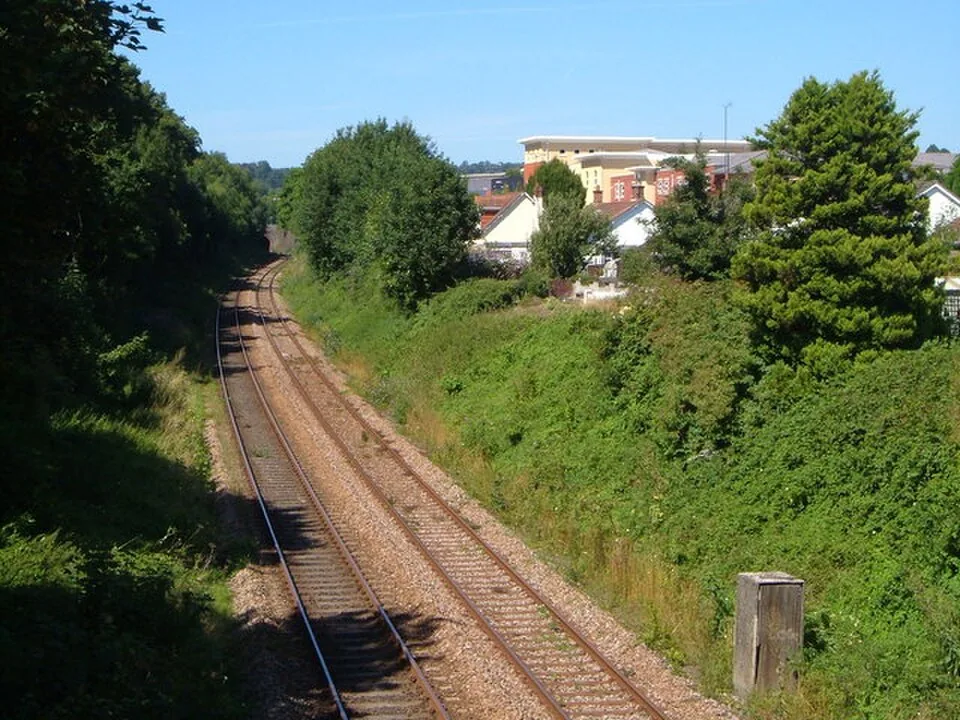
The Dartmoor Line leaves Exeter St Davids and shares the rural approach to Crediton with Barnstaple trains. Beyond Crediton, the Okehampton route turns west through mid-Devon countryside. Fields, woodland and settlements form most of the view before the ground rises towards Dartmoor. This is a gateway railway to the northern edge of the moor, not a train crossing the open high plateau or reaching a summit.
There are now two Okehampton stations. Okehampton Interchange, on the east side of the town, opened in 2026 and complements the existing station. Historic Okehampton remains the terminus. Choose the destination by the onward journey: an interchange connection and a visit to the historic station are different plans. The official route map also distinguishes the running passenger railway from stations that have not reopened under the current scheme.
The northern edge of Dartmoor lies south of the approaching railway, on the left heading towards Okehampton. Fields and trees can interrupt the outlook, so this is a preference for the moor's position, not a guaranteed uninterrupted panorama. At the historic terminus, the Granite Way continues as a walking and cycling route towards Lydford. Meldon Viaduct belongs to that onward trail; the scheduled passenger train described here ends at Okehampton before reaching it.
Crediton countrysideDartmoor foothillsOkehampton station
Best stops on the Dartmoor Line
Choose one main stop for a day out. Distances are one way from the station unless a circuit is stated; walking times are our estimates except where the attraction publishes one. Allow-time suggestions include time to look around.
Check the next train back before leaving the station
Request stop: No — use a service shown as calling here.18
What is nearby
Crediton, Hookway and River Yeo circuit — The published station loop crosses the golf course and climbs lanes above the Yeo before returning to the tea rooms.
From the platform
Use the exit on the Barnstaple-bound side, turn left beside the line towards Exeter and follow the public footpath through the golf course to Kersford Bridge. The 3.3-mile loop continues by Hookway Down Wood and Rudge Farm, returning over Fordton Bridge. There are hills, gates and a green lane that can be muddy.
Access: Crediton station is category B1: step-free access is available but may use ramps or streets between platforms. The country circuit is not a step-free town pavement route, and the public footpath crosses a working golf course. Follow the walk’s marked path and keep clear of play.
Check the next train back before leaving the station
Request stop: No — use a service shown as calling here.6
What is nearby
East Hill via Tramlines Woods and Fatherford Viaduct — The short moorland circuit climbs from the station to views over Devon and the higher Dartmoor tors.
From the platform
From the original Okehampton station entrance, use the green gate and steps to the bridleway, or the signed slope alternative described in the walk leaflet. Turn into Tramlines Woods, pass under Fatherford Viaduct and follow the steep path towards East Hill. The published 2.3-mile circuit returns to this station. This is not Okehampton Interchange, the separate station farther east.
Access: Okehampton station is category B2, with some step-free platform access. East Hill is a hill walk with gates, steep grass and slippery ground after rain; avoiding the initial steps does not make the circuit step-free. The station is uphill from the town centre, so the town return also includes a climb.
Food and drink
Bulleid Buffet — The independent station café offers a refreshment stop beside the heritage station buildings.
Allow time: Allow 2½–3 hours for East Hill and the buffet; use the separate community-rail castle walk if choosing the town and castle instead.
Eight route photographs link to their original Wikimedia Commons pages for the creator, licence and reuse terms.
How to get to the Dartmoor Line
By train
Join the Dartmoor Line at Exeter St Davids, connecting from main-line trains, or board in the city at Exeter Central. The route runs through Crediton to the original Okehampton station; Okehampton Interchange is a separate station farther east.11019
By bus
Use the Dartmoor Line’s onward-travel information for bus links from Okehampton into the surrounding towns and moor. The original station sits above the town centre, so a town bus connection can include the sloping station approach.120
By car
Use the operator’s station information for parking at the original Okehampton station; check the separate Interchange page if choosing that car park. The East Hill and castle walking directions in this guide start at the original station.610
Returning from the far end
Take the Dartmoor Line back through Crediton to Exeter. Start the return at the original Okehampton station after the East Hill loop, keeping the distinction from Okehampton Interchange clear when arranging a lift.113
Day trip or overnight
For a practical day trip, continue to the historic Okehampton station, visit the station facilities and choose a short signed walk or the town for a short visit. Check daylight, weather and your return train before setting out. An overnight in Okehampton gives more time for the Granite Way or a carefully planned Dartmoor walk; treat any bus, taxi or cycling connection as a separate journey and verify it in advance.1
Accessibility
Exeter St Davids is currently listed by National Rail as step-free category A. Historic Okehampton is category B2, with some step-free access to all platforms, no lifts and no staff assistance; Passenger Assist meeting points and a helpline are available. The new Okehampton Interchange is category A. Check which Okehampton station best fits the onward plan, confirm current facilities, and arrange GWR Passenger Assist or a boarding ramp when useful.5
When to go
Use the published Dartmoor Line services when choosing the travel season for this scheduled railway outing. Late spring and summer provide the most daylight for walks; autumn brings colour to the wooded sections. Dartmoor weather can change quickly, and winter means shorter daylight and potentially difficult paths, so check the railway, local weather and walking conditions close to travel.1
Tickets
Use the GWR journey planner for the precise Okehampton station required. The new Interchange and historic terminus are not interchangeable names in a booking or assistance request. Check the fare's stop-off conditions before visiting Crediton. The train ticket does not include cycle hire, a museum, castle admission or local buses. For a bicycle carried aboard, confirm GWR's current rules and space arrangements. Buy the journey after identifying the return departure from the correct station; a main-line connection at Exeter St Davids also needs transfer time between platforms.4
Photography
The left towards Okehampton faces the northern Dartmoor edge on the final approach. Woods and cuttings make broad landscape photographs more reliable than trying to catch a particular distant tor. The historic station provides architectural subjects after arrival. Meldon Viaduct requires a separate Granite Way outing; it cannot be photographed as a crossing from this passenger train. For moorland photographs, use a planned route from the station with enough time to walk back before the return departure.311
On board
The Exeter–Okehampton journey takes about forty minutes. Carry a drink and suitable footwear if leaving the railway for the town or trail. Decide the destination station before boarding and keep the assistance booking consistent with it. The historic terminus remains open alongside the Interchange, so a new station does not remove the older one from the itinerary. Exeter St Davids offers main-line connections, but the Devon branch journey and an onward long-distance service may have different reservation and bicycle arrangements.3
Frequently asked questions
How long is the Dartmoor Line?
The Exeter–historic Okehampton ride takes about forty minutes. Check the current timetable for the chosen departure and the Interchange stop. A trail walk or town visit is additional time beyond the railway journey.3
Which side is best on the Dartmoor Line?
The northern edge of Dartmoor lies to the left on the westbound approach to Okehampton, south of the railway. Trees and cuttings interrupt the outlook; the train ends at the historic station and does not cross Meldon Viaduct.11
Is the Dartmoor Line suitable for a day trip?
Yes. Historic Okehampton gives access to the town and Simmons Park, while a short Granite Way outing adds former railway scenery. A long moorland hike needs its own route, weather and return-time plan.9
Is the Dartmoor Line accessible?
The historic terminus has National Rail category B2 access; Okehampton Interchange is category A. Check the exact station, onward gradients and GWR assistance arrangements. These categories do not establish access across Dartmoor walking routes.610
How do I get to the start of the Dartmoor Line?
Join the Dartmoor Line at Exeter St Davids, connecting from main-line trains, or board in the city at Exeter Central. The route runs through Crediton to the original Okehampton station; Okehampton Interchange is a separate station farther east.11019
Further reading
Read the route
Chosen for this line, its train type or the wider pleasure of slow rail travel.
Physical edition
Slow Trains Around Britain
by Tom Chesshyre
A contemporary, slow-travel circuit of Britain for readers who enjoy the journey as much as the destination.