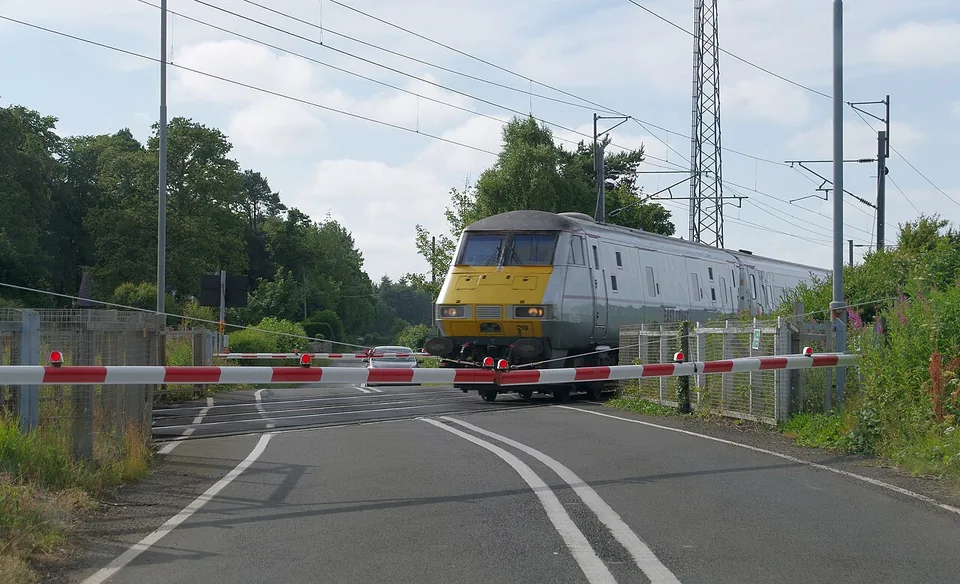
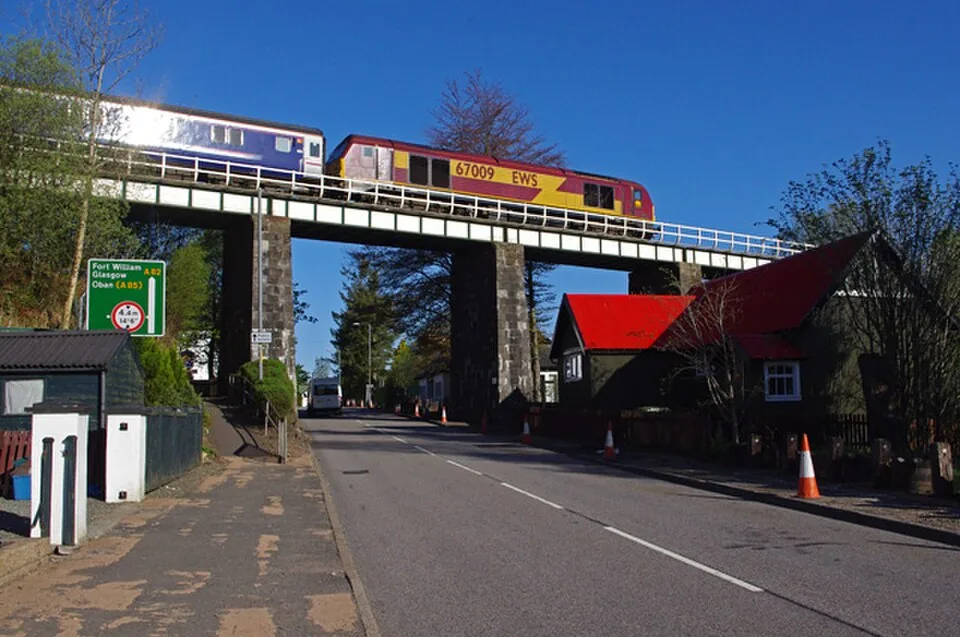
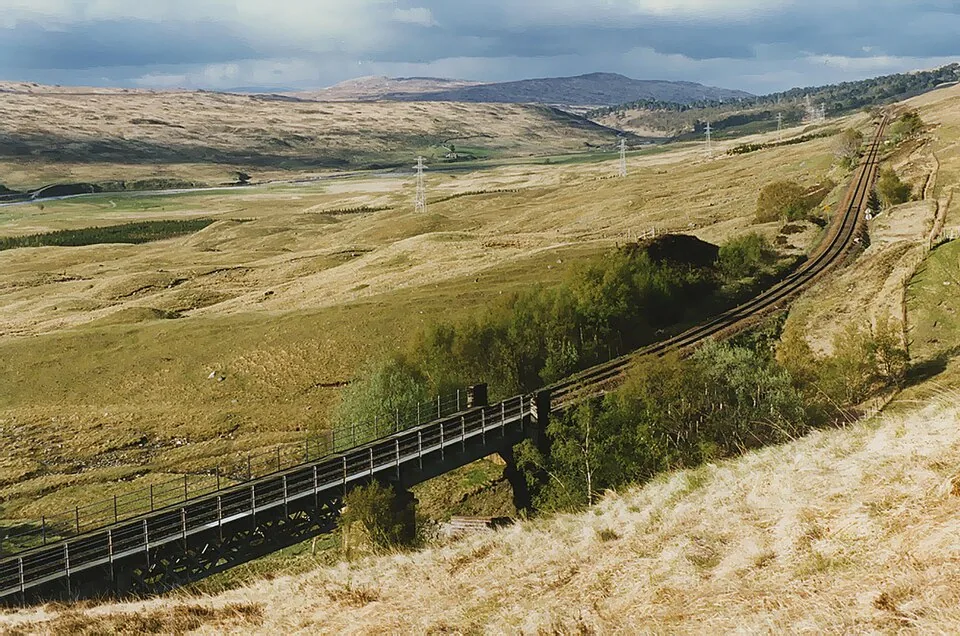
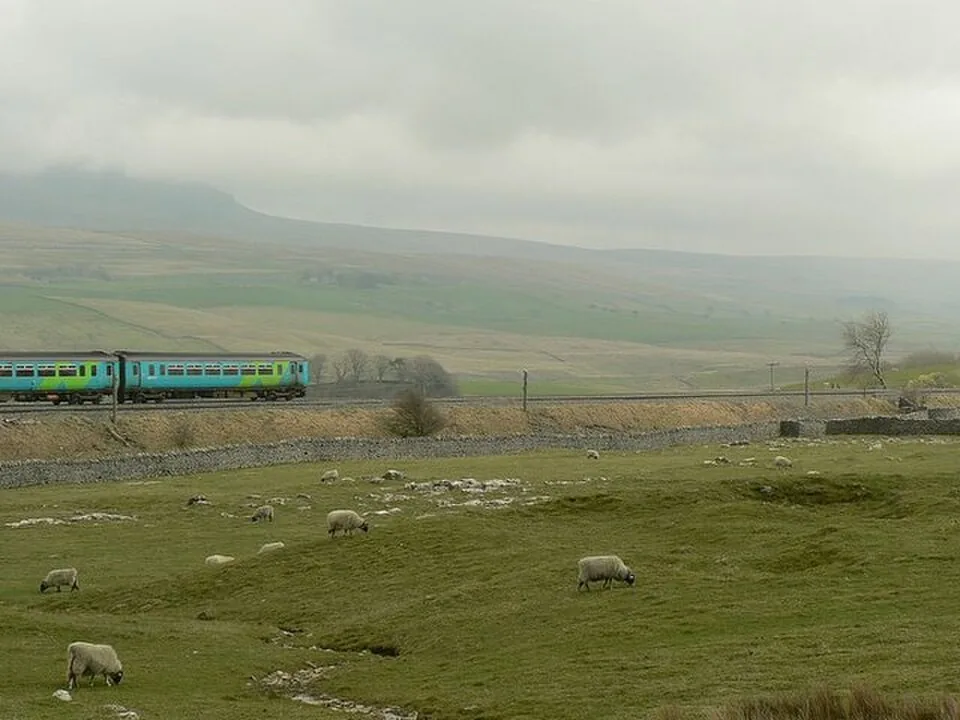
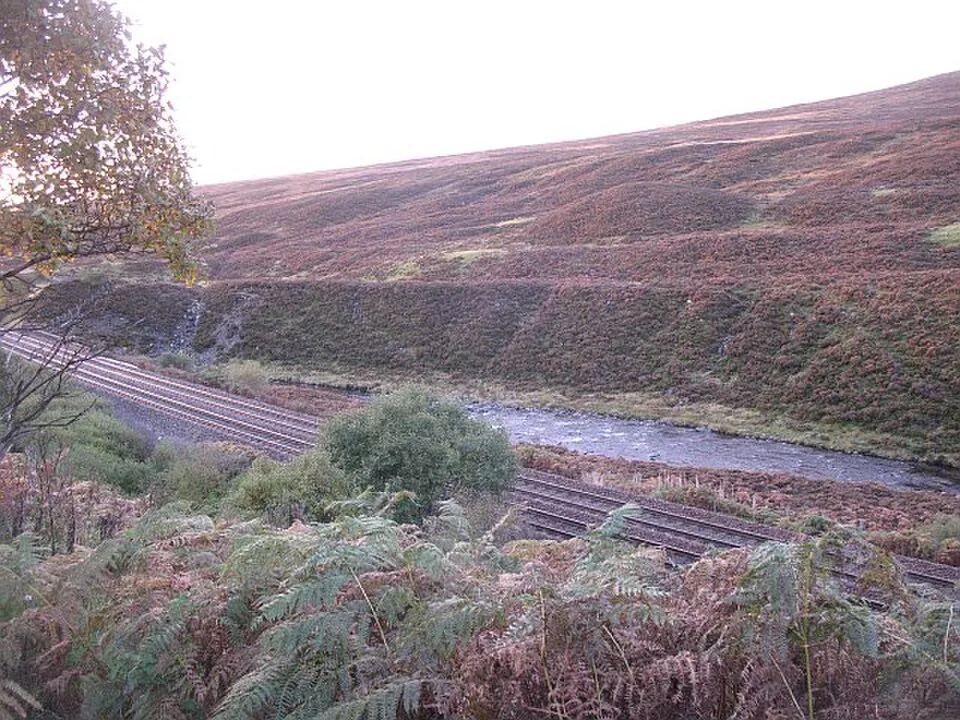
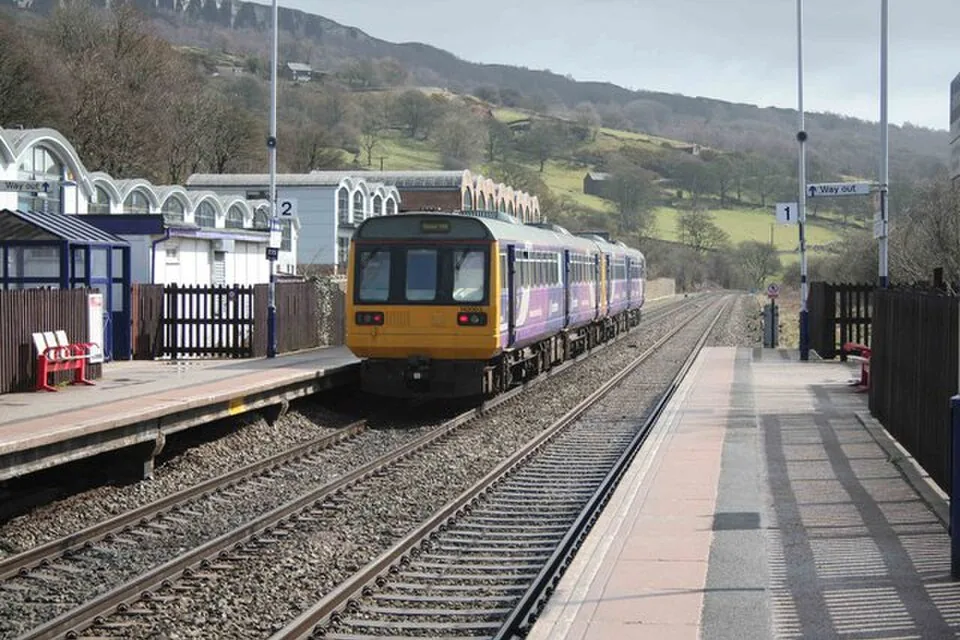
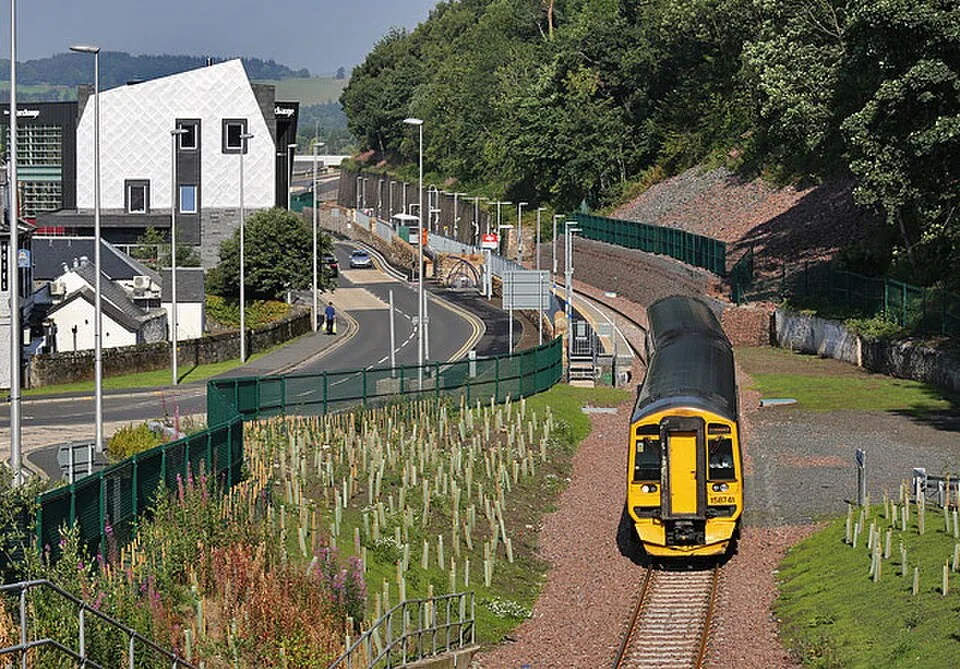
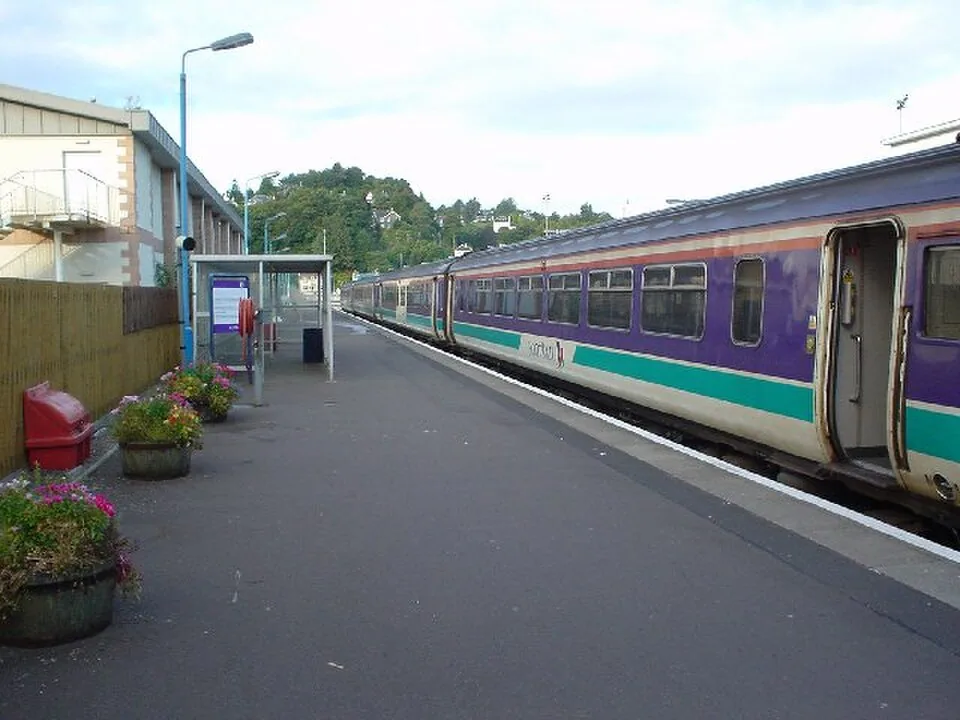
Our winter choice is a railway journey with a useful central daylight section and a destination that remains enjoyable in mixed weather. The West Highland and Settle–Carlisle can offer striking upland landscapes, while a town-based shorter route may be the more manageable day. Choose the trip for what it can deliver without snow or a perfectly clear sky, treating unusual conditions as a bonus.
The viewing window is shorter than in summer. Compare the dated timetable with daylight before deciding which service to book, and recognise that an overnight train may pass some landmarks in darkness. Make the main scenic stretch the middle of the day, keeping early and late connections as transport. A winter route should not be ranked solely by a summer photograph taken from another departure.
Stops need a seasonal plan too. Choose a town walk or attraction that fits the light and opening arrangements, carry appropriate clothing and leave the return margin generous. Avoid committing the whole day to an exposed walk whose completion depends on the last useful train. Check railway engineering and disruption notices as well as the timetable, especially when a long journey into the holiday base supports everything else.
Heritage calendars and Christmas programmes are different things. A railway may offer selected festive events while ordinary full-line services follow another pattern. Read the actual booking before assuming the usual route or stop-offs. For a scheduled journey, confirm assistance and station arrangements if needed, and keep a modest destination alternative for poor weather. The full guides explain named landmarks, both window directions, ticket choices and official sources. Use the filter to narrow the winter shortlist, then choose the departure that gives the landscape time in daylight and the destination enough room for a meal or visit without an anxious return. Allow time to return comfortably.
Frequently asked questions
How should a route from this collection be chosen?
For scenic train journeys to consider in winter, begin with the outing’s purpose and the available destination time. Put the important viewing stretch near the middle of the daylight period, with a town alternative when the weather makes an exposed visit less appealing.
Does a window tip guarantee a particular reserved seat?
The winter selection’s direction cards describe named landmarks and actual reversals. For a winter outing, confirm the booked train’s orientation and let boarding needs or seating together take priority when necessary.
Where are current departures and access arrangements listed?
Use the operator sources in the chosen winter route guide to confirm the actual departure and stations. For scenic train journeys to consider in winter, settle those arrangements before buying a separate stay or onward journey.