This normal Northern service traces 85 miles of the west Cumbrian coast, crossing the Duddon sands, passing Ravenglass and St Bees, and running through Whitehaven and Workington before turning inland for Carlisle.
Use the operator’s timetable to choose your outward and return services.3
Reservations
A reservation rarely guarantees a particular side or that the seat aligns with a window.
Typical train
See the operator’s train information for onboard facilities.
Pick your window
Which side to sit on the Cumbrian Coast Line
The Irish Sea lies on the left heading north towards Carlisle on the coastal sections, including Seascale and the shore north of St Bees.1
left side
Barrow-in-Furness to Carlisle
Facing forwards: favour the left window.
The Irish Sea lies on the left heading north towards Carlisle on the coastal sections, including Seascale and the shore north of St Bees. The Lake District fells are inland on the right; the final approach to Carlisle leaves the open coast.16
right side
Carlisle to Barrow-in-Furness
Facing forwards: favour the right window.
Sit on the right (facing forwards) for the Irish Sea on the southbound coastal stretches towards Barrow, with Lake District fells inland opposite.16
Why ride it
The view from the train
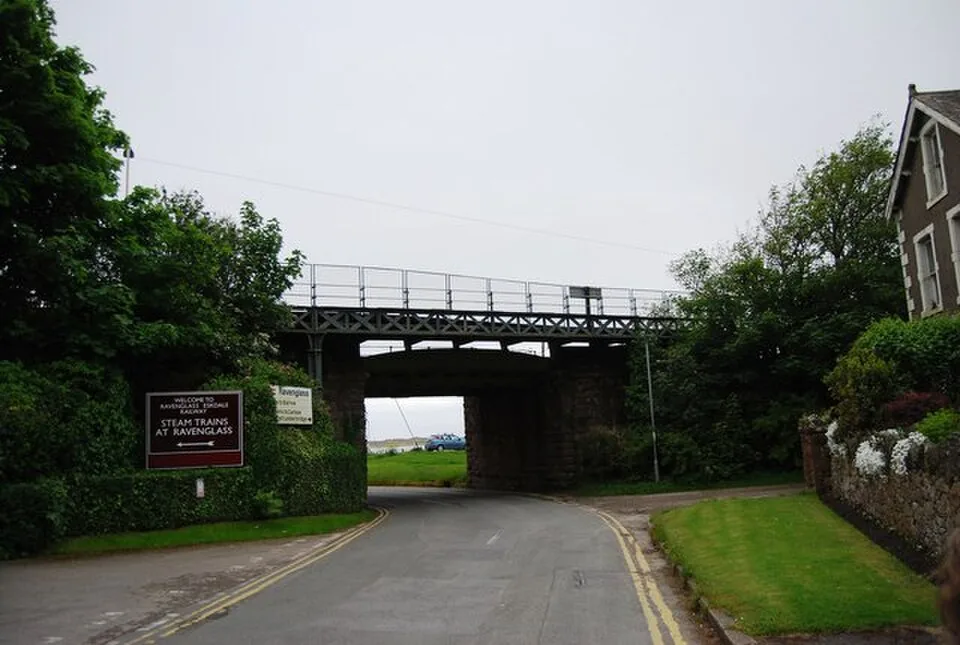
Barrow–Carlisle follows the Furness peninsula and Duddon Estuary towards Millom, then the coast through Bootle and Ravenglass. The western Lake District fells sit inland from the railway. Seascale and Sellafield precede the cliffside stretch around St Bees, with Whitehaven and Workington farther north. Maryport and the Solway country lead towards Carlisle. Ravenglass is the interchange for the separate narrow-gauge Eskdale railway; Whitehaven adds a harbour stop, and St Bees gives access to the beach and coastal paths.
As of 6 October 2026, Northern still lists the railway between Corkickle and Whitehaven as closed because of the Bransty Tunnel works. Replacement buses link the affected section, with trains running on either side. The through trip is therefore a train-and-bus itinerary. Use the current journey planner and replacement timetable to choose it. If continuous time aboard is your priority, plan a shorter outing on one side of the closure instead.
Ravenglass makes a natural focus for a southern-section visit. Community Rail Cumbria describes the connection with the Ravenglass & Eskdale Railway, giving you the option of a separate heritage ride. Keep that as the main additional activity if it is what brings you here. A village pause and time near the coast can also be a complete visit. The smaller outing lets you enjoy the railway without spending the day negotiating the disrupted through route.
St Bees and Whitehaven offer different kinds of coastal stop. The former is associated with its beach and the start of the Coast to Coast walk; the latter gives the day a harbour-town focus. Choose the one that fits the section you intend to travel and your available time. Avoid making a full coastal traverse, a heritage railway ride and several town visits competing ambitions for a single day. The line has enough variety to reward another visit, with a different section as the centre of the next outing.
Duddon SandsRavenglass EstuarySt Bees Head
Best stops on the Cumbrian Coast Line
Choose one main stop for a day out. Distances are one way from the station unless a circuit is stated; walking times are our estimates except where the attraction publishes one. Allow-time suggestions include time to look around.
Check the next train back before leaving the station
Request stop: No — use a service shown as calling here.19
What is nearby
Ravenglass Railway Museum — The collection explains the narrow-gauge line and its valley communities, beside the heritage railway terminus.
From the platform
Leave the main-line platform by the signed station exit and follow the pedestrian connections into the adjoining Ravenglass & Eskdale Railway site. The route to the museum is about 0.2 miles; use the station map to select the exit from the arrival platform.
Access: National Rail gives the main-line station category B2, with some step-free access to all platforms. The heritage station’s accessible approach has ramps or slopes; request the appropriate route instead of assuming the footbridge is step-free.
Food and drink
1876 Ravenglass Station Café — The heritage railway’s platform café overlooks its turntable and serves light meals and refreshments.
Allow time: Allow 1–2 hours for the museum and station; reserve a separate half-day for a narrow-gauge return journey.
Check the next train back before leaving the station
Request stop: No — use a service shown as calling here.19
What is nearby
Seascale seafront at Mawsons — The seaside village has a sandy beach, with Mawsons on Drigg Road by the seafront.
From the platform
Take the station exit towards the coast and follow South Parade towards the Drigg Road seafront. The approach to Mawsons by the beach is about 0.15 miles on streets; going onto sand is a separate, uneven-ground choice.
Access: Seascale is category B2: there is some step-free access to all platforms. Confirm the platform exit and boarding help with Northern; the sand is not a step-free promenade surface.
Food and drink
Mawsons Ice Cream Parlour — The named Drigg Road parlour offers ice cream and café refreshments by the sea.
Allow time: Set aside 45–90 minutes for the seafront and refreshments, with longer for a beach visit.
Check the next train back before leaving the station
Request stop: No — use a service shown as calling here.19
What is nearby
St Bees beach and Coast to Coast start — The coast path reaches the official start of the Coast to Coast Path here, below St Bees Head.
From the platform
From the station use the Main Street exit, then Station Road and Beach Road towards the shore. The recorded platform-to-beach-café route is about 0.75 miles and includes the railway footbridge; the shoreward road drops towards the beach.
Access: National Rail lists category B3, so step-free platform access may be available in only one direction. The route contains steps and is not a step-free route from every platform; arrange a suitable platform exit before planning the beach walk.
Food and drink
Beach Road Bakehouse — The café and beach shop are at the seafront end of the walk.
Allow time: Allow 1½–2 hours for the walk and beach; the headland paths need a longer stop and suitable footwear.
Check the next train back before leaving the station
Request stop: No — use a service shown as calling here.19
What is nearby
The Beacon Museum — Its galleries tell Whitehaven’s story, and the viewing gallery looks over the town and harbour.
From the platform
Leave the station towards North Shore Road, follow the harbour-side Millenium Promenade and Duncan Square, then continue along West Strand to the Beacon. The walk is about 0.6 miles, mainly over harbour-front streets and paths.
Access: The station is category A with step-free access to all platforms. Northern notes low platforms and possible boarding difficulty, so arrange help if needed. The museum walk includes harbour paving and street crossings; ask the museum about its entrance and the rooms you want to visit.
Check the next train back before leaving the station
Request stop: No — use a service shown as calling here.19
What is nearby
Senhouse Roman Museum — The collection draws on Maryport’s Roman fort and civilian settlement, in a museum on the Sea Brows.
From the platform
Follow Station Road and Station Street into town, then the signed museum approach through Crosby Street and Fleming Square towards the Sea Brows. The walk is about 0.9 miles, with a climb through the upper town and cobbles around Fleming Square.
Access: Maryport station is category A, with step-free access to all platforms. The museum says its building is on one level with ramps where appropriate; the uphill town approach and cobbles make the walk more demanding than the station entrance.
Food and drink
Marina View Café — The tourist board lists this café on Marine Road overlooking the marina, a harbour-side option before the climb to the museum.
Allow time: Allow 2–3 hours for the upper-town walk, museum and harbour refreshments.
Eight route photographs link to their original Wikimedia Commons pages for the creator, licence and reuse terms.
How to get to the Cumbrian Coast Line
By train
Reach Barrow-in-Furness from Lancaster on the Furness Line; Lancaster connects with trains from London, Preston and Manchester. Carlisle, at the other end, connects with the West Coast Main Line and the Tyne Valley route from Newcastle. Northern’s N6 booklet covers the coastal trains between Barrow and Carlisle.1956
By bus
Stagecoach’s X6 links Kendal and Ulverston with Barrow. Select the stop in Barrow carefully: the council’s travel guide also identifies the Kendal coach connection, while the railway station is a separate place from the town-centre bus stops.4243
By car
Northern publishes parking at Barrow-in-Furness station; use the station page for the approach and current arrangements. A car left at Barrow requires a return coastal train or a separately planned way back, not simply the next main-line train south from Carlisle.44
Returning from the far end
For a linear trip, Carlisle has onward main-line trains; for the same scenery in reverse, take Northern back down the coast to Barrow. Read the current N6 timetable and disruption notices before choosing several stops, because calling patterns and gaps do not make every combination practical.1964
Day trip or overnight
Ride Barrow–Carlisle with Ravenglass, St Bees or Whitehaven as the main stop. Ravenglass offers the separate Eskdale railway, St Bees the beach and coastal paths, and Whitehaven the harbour. A heritage connection needs its own booking and transfer time. The whole coastal route is longer than a brief seaside outing; use an overnight or one selected station visit, with the return checked before walking beyond town.3
Accessibility
Barrow-in-Furness and Carlisle are Category A stations with step-free access to all platforms. Ravenglass is unstaffed and Category B: both platforms are accessible, but Northern says the route between them uses a busy road with no pavement and can be challenging; there is no station toilet. Smaller coastal stops vary substantially, so check every planned station and arrange Northern Passenger Assist where useful.18
When to go
Use the dated operating calendar for the Cumbrian Coast Line, including any event-specific timetable and ticket conditions. For Cumbrian Coast Line, we would put Duddon Sands into useful daylight, allowing a longer destination pause when the season provides enough light. At Carlisle, settle the homeward Cumbrian Coast Line service before beginning the planned walk. Any attraction added to the Cumbrian Coast Line outing has separate opening arrangements; use the operator for the railway’s actual operating dates.3
Tickets
Compare the Single or Return fares offered for your actual itinerary, including the current replacement segment where relevant. For a day with several rides, Northern lists Rover products including the North Country Rover and North West Rover, with published maps and validity conditions. Its guidance specifically allows travel on the Cumbrian Coast Line at any time under those products. Eligible Railcard discounts are listed for the relevant fares; enter your card before comparing the available options.
The Ravenglass & Eskdale Railway combined ticket is another named option if the heritage ride is the purpose of your stop. Use the product's current conditions and the separate railway's operating arrangements when shaping that day. A rover does not remove the need for workable onward services. Advance availability, if offered in your search, belongs to the actual itinerary and fare conditions; this guide does not promise it on every coastal departure. Choose flexibility around the disruption and planned breaks before choosing a fare.12134
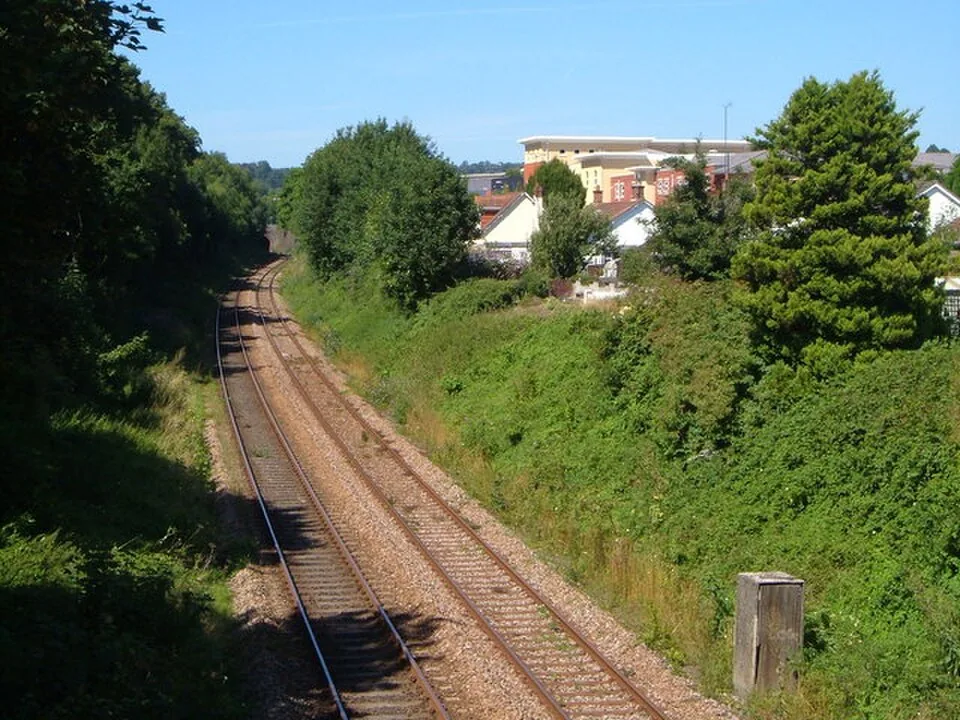
Think of the photographs as a coastal sequence. This guide does not assign a supported single best side for the complete route. The destination offers time to compose pictures that are harder to make while moving. The Irish Sea lies on the left heading north towards Carlisle on the coastal sections, including Seascale and the shore north of St Bees. The Lake District fells are inland on the right; the final approach to Carlisle leaves the open coast.
Judge sun direction from your date, time and chosen section, especially when travelling in the opposite direction for the return. Shade the lens from interior reflections, keep flash off and let dark or enclosed stretches be a pause. Bransty Tunnel is part of the current closure, not an onboard photographic feature available on a through ride. Keep equipment easy to carry if using the replacement connection. A smaller bag makes changing vehicles simpler and leaves you freer to enjoy the coastal stop.241416
On board
Bring water and a snack, with a meal planned at your principal stop. Northern's luggage guidance allows three pieces of luggage, with larger items subject to the published dimensions and safe storage. Keep the aisle, doors and wheelchair accommodation clear, and have the things needed during the ride in one compact bag. That is especially useful on an itinerary involving a replacement bus, where every additional item must be moved again.
Northern's cycle policy allows a limited number of bicycles on a first-come basis, without reservations. Establish how your bicycle can travel across the replacement segment before choosing a through trip; the train policy alone does not settle that connection. For an accessible toilet, boarding support or a specific train layout, ask the assisted-travel team about your intended service. Plan the vehicle change alongside those needs so that a pleasant coastal outing remains the centre of the day.141584
Frequently asked questions
How long is the Cumbrian Coast Line?
Allow a full day for a substantial through outing, with the current train-and-bus timetable determining its actual duration. The Bransty Tunnel closure interrupts the railway between Corkickle and Whitehaven. A shorter ride on one side of the closure can be a better choice when uninterrupted scenic time aboard is your priority.432
Which side is best on the Cumbrian Coast Line?
The Irish Sea lies on the left heading north towards Carlisle on the coastal sections, including Seascale and the shore north of St Bees. The Lake District fells are inland on the right; the final approach to Carlisle leaves the open coast.16
Is the Cumbrian Coast Line suitable for a day trip?
Yes, particularly as a shorter coastal outing with one main stop at Ravenglass, St Bees or Whitehaven. A complete through trip needs more time and the replacement connection in the current itinerary. Give a separate heritage ride its own place in the plan.910114
Is the Cumbrian Coast Line accessible?
Northern offers assisted travel, but stations and the replacement connection have different arrangements. Check every intended boarding and alighting point with the team. Ravenglass has particular access limitations described on its station page, so choose the return and any heritage interchange with the station layout in mind.8
How do I get to the start of the Cumbrian Coast Line?
Travel to Barrow-in-Furness from Lancaster on the Furness Line, using Lancaster’s main-line connections from London, Preston and Manchester. Carlisle is the alternative northern starting point, with main-line and Tyne Valley connections.1956
Further reading
Read the route
Chosen for this line, its train type or the wider pleasure of slow rail travel.
Physical edition
Slow Trains Around Britain
by Tom Chesshyre
A contemporary, slow-travel circuit of Britain for readers who enjoy the journey as much as the destination.