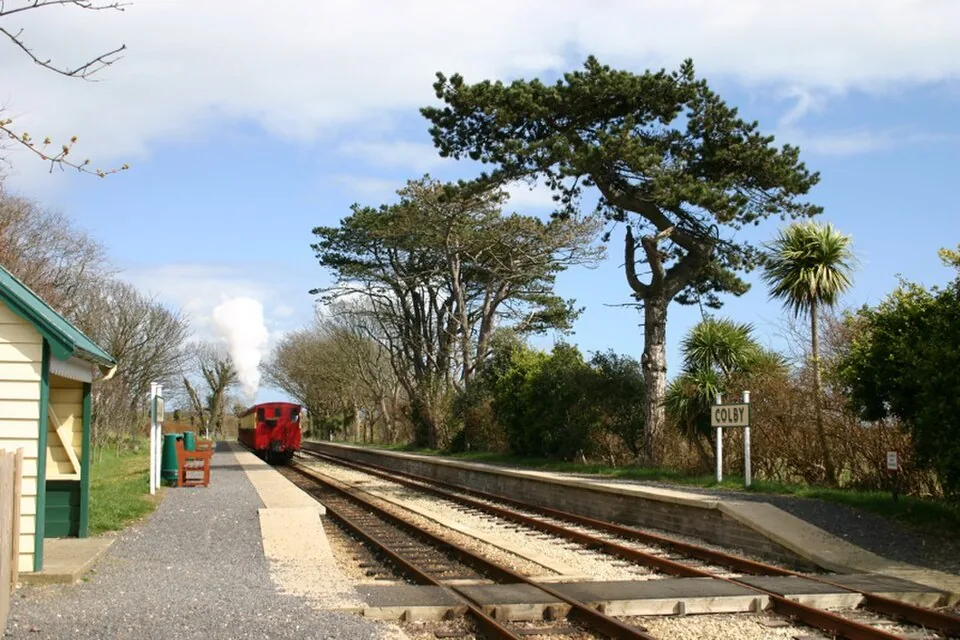
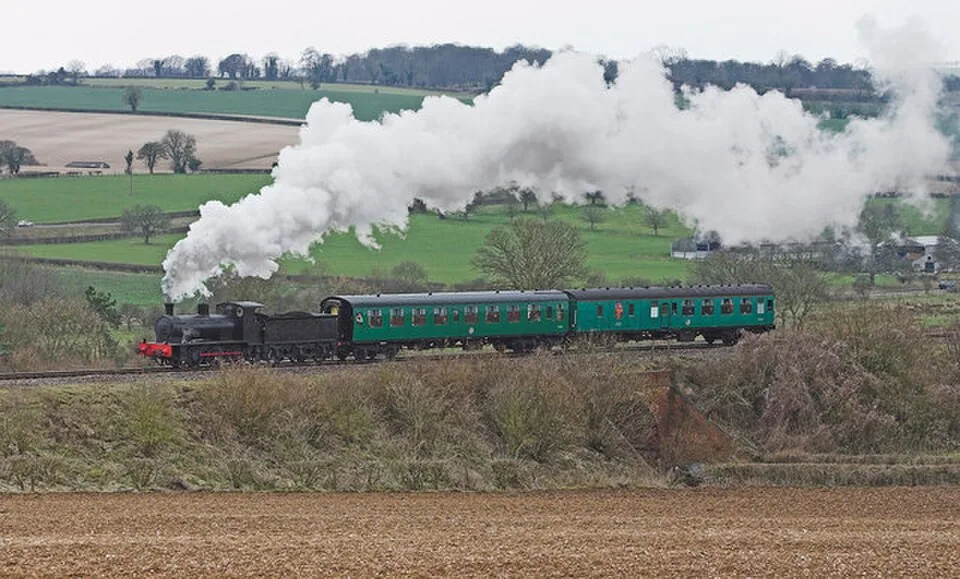
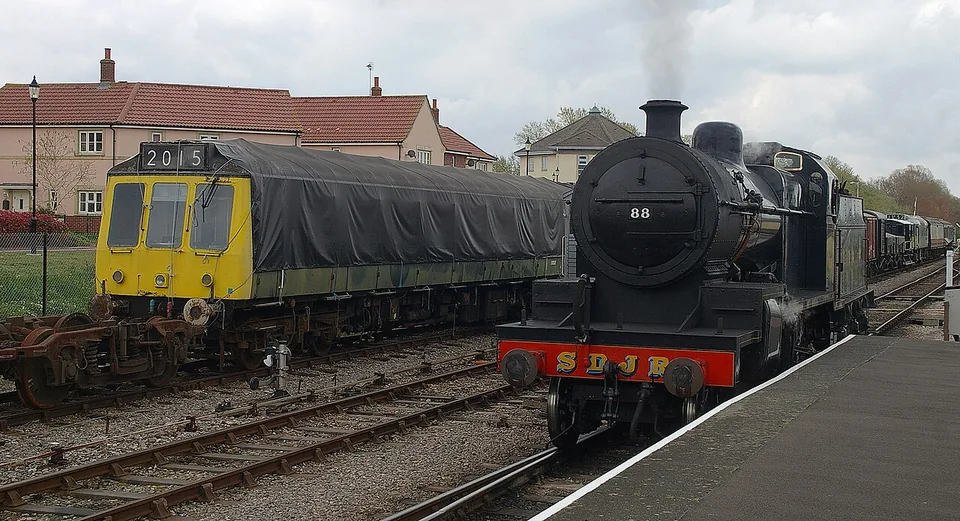
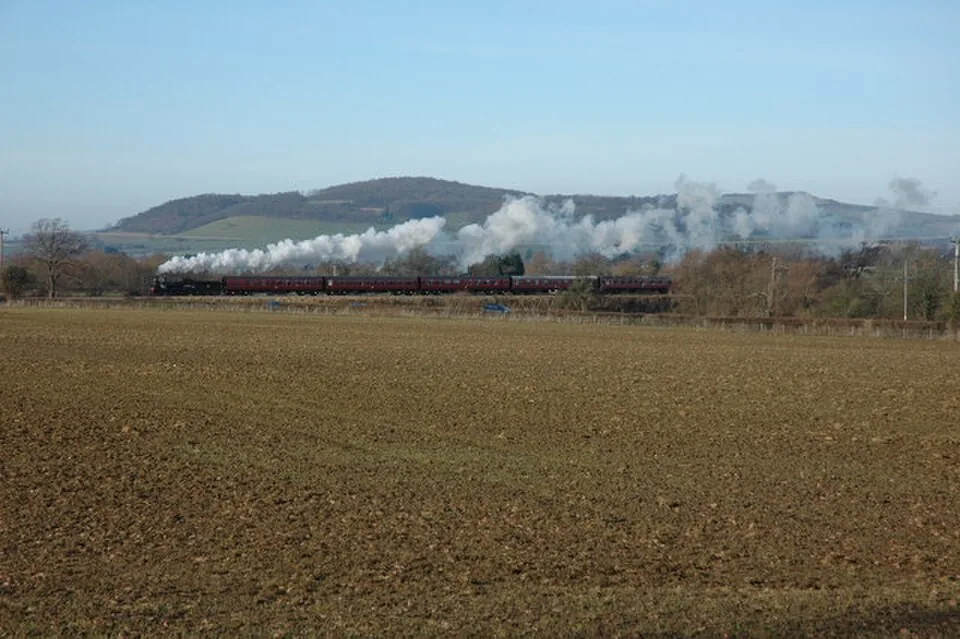
We recommend the Isle of Man steam railway as the centrepiece of a longer island rail break. Ride from Douglas to Port Erin, then give the Manx Electric Railway and Snaefell Mountain Railway separate days so the coast and mountain can be enjoyed without rushing.
Seasonal services on selected dates; consult the railway’s operating calendar.1
Reservations
Choose the ticket and running date directly with the railway; special events may have different conditions.
Typical train
Historic steam railway carriages; electric trams operate on the separate Manx Electric and Snaefell routes.
Pick your window
Which side to sit on the Isle of Man steam railway
Choose the left towards Port Erin for the coastal outlook and King William’s College near Castletown, or the right towards Douglas.12
left side
Douglas to Port Erin
Facing forwards: favour the left window.
Choose the left (facing forwards) towards Port Erin for the sea near Keristal and the eastern outlook towards Langness and King William’s College before Castletown. The Silverburn after Ballasalla and Cronk ny Arrey Laa beyond Castletown are on the right. At Port Erin, walk outside the station for the bay and Bradda Head; the train does not follow the beachfront.10
right side
Port Erin to Douglas
Facing forwards: favour the right window.
Choose the right (facing forwards) towards Douglas for King William’s College beyond Castletown and the coastal outlook near Keristal before Douglas. Cronk ny Arrey Laa and the Silverburn are on the left on their respective sections. Port Erin’s bay is best enjoyed on foot before boarding.10
Why ride it
The view from the train
The Isle of Man is a self-governing Crown Dependency, separate from the United Kingdom. We include it as an island railway holiday alongside the British guides, and keep its destination separate in the catalogue. The steam route from Douglas to Port Erin is the natural first outing: a complete ride with a seaside destination and places to pause along the way. Our preference is to settle into Douglas first and travel on the railway the following day, keeping arrival by ferry or air uncomplicated.
The operator’s steam railway guide identifies Ballasalla, Castletown and Port St Mary before Port Erin. Choose a full return for a first visit, or build one substantial stop into the timetable if a southern attraction is central to the day. Do not treat every station as a compulsory visit. A ride to Port Erin with time by the bay can give the train, destination and return all room, while a Castletown stop creates a different day with more emphasis on the town.
The Manx Electric Railway is a separate route along the east coast, from Derby Castle in Douglas through Laxey to Ramsey. Its operator describes wooded glens, villages and cliff-top coastal scenery. Reserve another day for that line, choosing either the full Ramsey trip or a Laxey-centred outing. The steam station and electric terminus are separate boarding places, so plan the transfer within Douglas before assuming one train follows immediately after the other.
From Laxey, the Snaefell Mountain Railway climbs towards the island’s highest summit. The official description highlights Laxey Valley, the Great Laxey Wheel and the expanding mountain views. This makes weather a useful part of the decision: we would favour a clear day for the summit and use a poorer-visibility day for a town or steam outing. Do not promise a distant view across the sea when the mountain is in cloud; the train ride and summit visibility are separate experiences.
CastletownPort ErinManx heritage railways
Best stops on the Isle of Man steam railway
Choose one main stop for a day out. Distances are one way from the station unless a circuit is stated; walking times are our estimates except where the attraction publishes one. Allow-time suggestions include time to look around.
Measured to the Church Street/North Quay area, not all the way to the Sea Terminal.
Check the next train back before leaving the station
Request stop: No — use a service shown as calling here.2
What is nearby
North Quay approach — The town’s harbour-side streets connect the steam railway with the waterfront and the route towards the Sea Terminal.
From the platform
Leave the station building towards Bank Hill and Lord Street, then follow Church Street towards North Quay. The measured harbour approach is about 0.26 miles; the streets descend towards the water and rise on the way back.
Access: The steam railway offers ramp boarding in suitable compartments when arranged in advance. Use the main station exit for the harbour walk and ask the intended shop or attraction about its entrance if kerbs or doorways affect the visit.
Food and drink
The Tickethall Café — The operator lists this café within Douglas Railway Station.
Allow time: Allow 45–60 minutes for the harbour streets and a drink before boarding.
Check the next train back before leaving the station
Request stop: No — use a service shown as calling here.2
What is nearby
Castle Rushen entrance — The medieval fortress overlooks the town square; the measured walk ends at the castle gate.
From the platform
Leave the station towards Station Road and Victoria Road, then continue over Thirtle Bridge and along Castle Street to the castle entrance. The measured approach is about 0.44 miles; the town approach is much gentler than climbing the castle’s upper rooms.
Access: Arrange ramp boarding with the railway if required. Manx National Heritage describes an accessible ground floor at Castle Rushen, but upper levels involve stairs: consult its access guide before choosing which areas to visit.
Food and drink
The Viking or The Sidings — The railway identifies these two pubs beside the Castletown station area as places for food and refreshments.
Allow time: Allow 2–3 hours for Castle Rushen, the square and harbour.
Check the next train back before leaving the station
Request stop: No — use a service shown as calling here.2
What is nearby
Chapel Bay promenade — The sandy bay sits below the village, with a promenade above the beach.
From the platform
From the station, follow Station Road towards the village, then use the Creggan Mooar and Promenade approach to Chapel Bay. The measured route to the seafront is about 0.48 miles, descending from the railway with a climb on the return.
Access: The railway’s ramp arrangements apply to suitable steam-train compartments here, but the street walk is not level. The measured route follows roads and paths without mapped steps; access onto the sand is separate from access to the promenade.
Food and drink
Kellas — The café and restaurant overlooks Chapel Bay in Port St Mary, useful once down in the village.
Allow time: Allow 1½–2 hours for the village, bay and a café stop.
The operator publishes 50 yards from the station; walking time is an estimate.
Check the next train back before leaving the station
Request stop: No — use a service shown as calling here.2
What is nearby
Port Erin Railway Museum — Locomotives, rolling stock and railway displays tell the story of the island’s steam network.
From the platform
Leave the platform towards Station Road and follow the museum signs beside the railway, a published 50 yards away. For the beach, continue into the village towards the bay; the museum distance does not describe the additional walk to the shore.
Access: Book the train’s accessible compartment in advance if needed. Ask the museum about its entrance and access between the displays; check the beach approach separately before planning to reach the sand.
Food and drink
Whistlestop Café — The operator lists the station café for food and refreshments at Port Erin.
Allow time: Allow 1–2 hours for the railway museum and village, adding time for the beach.
Eight route photographs link to their original Wikimedia Commons pages for the creator, licence and reuse terms.
How to get to the Isle of Man steam railway
By train
Douglas is an island railway terminus, so reaching it from Britain requires a sea or air crossing first. Steam Packet publishes routes into Douglas, including Heysham and Liverpool; from Ronaldsway Airport use the published bus connections towards Douglas before joining the steam railway.2122231
By bus
Bus Vannin’s airport services connect Ronaldsway with Douglas, Castletown, Port St Mary and Port Erin. Douglas station has bus stops at its front and rear; use the route map to choose a stop for the steam railway instead of assuming every Douglas service ends there.2311
By car
The railway lists car parking at Douglas, Castletown and Port Erin stations. For a vehicle brought by ferry or hired on the island, choose the station where the car will remain and return to that same station; use the operator’s station information for current arrangements.112122
Returning from the far end
From Port Erin, either take the advertised steam return to Douglas or plan a separate Bus Vannin journey. Keep ferry or flight connections outside the railway day’s final margin: the steam train is a seasonal attraction, while airport and ferry travel follow separate operators’ schedules.2242122
Day trip or overnight
For a first island rail break, we suggest a Douglas base with one day for the steam railway, another for the Manx Electric Railway and a flexible slot for Snaefell. Check the individual seasonal calendars before booking the stay. Allow time between the steam station and Derby Castle terminus in Douglas. Keep the final morning free for the ferry or airport transfer, avoiding a heritage connection that determines whether the journey home is caught.1
Accessibility
Isle of Man Railways publishes separate access details for its historic trains and trams and warns that the systems were built without modern accessibility in mind. Discuss each intended route with the operator before booking travel to the island. Ask about boarding, wheelchair carriage, toilets and any transfer at Laxey. Also confirm assistance with the ferry company or airline and the journey between the arrival point and accommodation.3
When to go
The steam railway, Manx Electric Railway and Snaefell Mountain Railway are seasonal, with their own dates in the official heritage timetable. Check all three calendars if the holiday depends on riding each system. A working steam day does not establish that the mountain railway is running. For a short break, we would book within the overlap of the advertised seasons and leave a flexible day for weather on Snaefell.1
Use Isle of Man Railways’ fares information to compare a simple railway ticket with the travel products that cover the intended island itinerary. Read exactly which services and dates are included. Plan the rides before choosing a pass, so extra validity is useful rather than merely attractive on paper. Special dining trains and events can have separate bookings, and the current conditions should decide whether they belong in the same plan.
Reach the island by ferry through the Isle of Man Steam Packet Company or by air to Isle of Man Airport. Consult the ferry company for the sailing and check-in arrangements, or the airport’s current route list and the airline for flights. Compare the complete journey from home to the Douglas base, including station-to-port travel, airport transfers and luggage. Book those journeys independently of the seasonal railway tickets and leave a margin for arrival disruption.6782
Photography
Steam stations and Port Erin give the southern outing a clear photographic story; the separate electric routes add cliffs and mountain landscapes on other days. Choose public visitor positions, respect staff instructions and avoid standing where passengers need to board. At Snaefell, match expectations to visibility and carry weather protection for equipment. A clear photograph of the train in its setting can be more useful than a distant panorama made indistinct by cloud.145
On board
Historic trains and trams are part of the island’s appeal, but their arrangements differ. Read the access information for each system and ask the conductor about request stops where relevant. Keep luggage compact, carry layers for station and summit visits, and save the timetables where they can be read without a connection. A multi-day plan lets each railway feel like an outing of its own, with meals and breaks chosen around the destination.324
Frequently asked questions
How long is the Isle of Man steam railway?
Use the official timetable for the Douglas–Port Erin journey and add time for the chosen town or seaside stop. We recommend a dedicated steam day instead of trying to ride all three island systems in one outing.12
Which side is best on the Isle of Man steam railway?
Choose the left (facing forwards) towards Port Erin for the sea near Keristal and the eastern outlook towards Langness and King William’s College before Castletown. The Silverburn after Ballasalla and Cronk ny Arrey Laa beyond Castletown are on the right. At Port Erin, walk outside the station for the bay and Bradda Head; the train does not follow the beachfront.110
Is the Isle of Man steam railway suitable for a day trip?
It works well as a day out during an island stay. Travel to the Isle of Man separately, then give the steam ride its own day; ferry or flight connections should not depend on the last heritage train.278
Is the Isle of Man steam railway accessible?
The operator publishes route-specific accessibility information for the historic systems. Discuss the actual train and stops before booking, and confirm the ferry or airport assistance separately.3
Are the electric and mountain railways part of the steam route?
No. The Manx Electric Railway runs from Douglas through Laxey to Ramsey, and the Snaefell Mountain Railway starts at Laxey. They have separate routes and timetables; plan the connections and seasonal dates individually.452
How do I get to the start of the Isle of Man steam railway?
Douglas is an island railway terminus, so reaching it from Britain requires a sea or air crossing first. Steam Packet publishes routes into Douglas, including Heysham and Liverpool; from Ronaldsway Airport use the published bus connections towards Douglas before joining the steam railway.2122231
Further reading
Read the route
Chosen for this line, its train type or the wider pleasure of slow rail travel.
Hardback
Britain’s Steam Locomotives
by Julian Holland
A visual guide to 100 locomotives, best paired with the heritage railway pages.