Bishops Lydeard to Minehead
Choose the right facing forwards towards Minehead for the Bristol Channel at Blue Anchor Bay; inland sections offer countryside on both sides, so keep watching beyond the coastal highlight.6

England
Bishops Lydeard → Minehead
From the Quantock countryside to the Somerset shore
mattbuck ( category ) · CC BY-SA 3.0 · Photograph source
Some links earn us a small commission at no extra cost to you.
Before boarding
Choose the West Somerset Railway for a day combining countryside, steam and the Somerset coast. Travel from Bishops Lydeard to Minehead, with Watchet or Blue Anchor as a deliberate stop if the dated timetable leaves enough time.
Pick your window
Choose the right towards Minehead for Blue Anchor Bay, or the left towards Bishops Lydeard for that coast.9
Choose the right facing forwards towards Minehead for the Bristol Channel at Blue Anchor Bay; inland sections offer countryside on both sides, so keep watching beyond the coastal highlight.6
Choose the left facing forwards when travelling towards Bishops Lydeard for Blue Anchor Bay and the Bristol Channel; the earlier inland route has useful views on both sides.6
Why ride it
The attraction here is the progression from an inland departure to a seaside destination. Use the complete ride for a first visit, then choose one intermediate stop instead of trying to leave every train. The railway’s calendar is essential because running days and service patterns change. Pick a day that supports the outing you want: a full return with lunch at Minehead is a different plan from an afternoon concentrated around a station and a short ride.
Watchet and Blue Anchor provide two ways to add the coast. Watchet suits a town stop; Blue Anchor puts the beach and promenade close to the railway. Choose between them by looking at the return opportunities, the walking wanted and the facilities needed by the party. A pleasant-looking station on a route map is not enough if the next train leaves too little time. Make the stop an intentional part of the timetable, with a clear departure for continuing or returning.
The railway’s own description places the journey through the Quantock countryside and along the coast to Blue Anchor Bay before Minehead. Watch that transition as the main scenic sequence. At Blue Anchor, the Bristol Channel is on the right travelling towards Minehead and on the left in the opposite direction. The advice belongs to that coastal stretch; it does not make the inland views on the other side unimportant. Use the return to notice the change from shore back to countryside.
Choose one main stop for a day out. Distances are one way from the station unless a circuit is stated; walking times are our estimates except where the attraction publishes one. Allow-time suggestions include time to look around.
Stop 1
Begin with the Gauge Museum and its collection of railway objects before the ride to the coast.
From the station: at the station (no separate town walk)7
How we measureThe operator places the museum beside Platform 1; this denotes adjacency, not a measured indoor route.
Check the next train back before leaving the station
Request stop: No — use a service shown as calling here.8
Gauge Museum — The former goods shed contains railway-history displays and a restored Great Western sleeping car.
Enter from the car-park side by the signal box. The ramp reaches Platform 2; use the controlled foot crossing for Platform 1 and the Gauge Museum, without leaving the station site.
Access: The main station approach is ramped and the authorised foot crossing gives level access when staff open it. Wait if the crossing barriers are closed; the road-bridge alternative has steps.
Whistle Stop Café — The railway café is on Platform 2 near the booking office.
Allow time: Allow 45–60 minutes for the museum and café before the outward train.
Stop 2
Get off for the village walk past the former Victorian workhouse and the activity at the line’s main intermediate passing station.
From the station: about 1 mile (around 25 minutes’ walk), one way16
How we measureThe station page gives about a mile but also suggests 15 minutes. We retain its distance and allow a more conservative estimated walking time.
Check the next train back before leaving the station
Request stop: No — use a service shown as calling here.8
Williton village centre — The approach passes Gilbert Scott Court, the former workhouse now converted to housing; the village has shops and pubs.
Leave the platform towards the station approach and follow the village route past Gilbert Scott Court. The operator places the village centre about a mile west of the railway; the former workhouse is private housing, so view it from the public route.
Access: Use the authorised foot crossing for step-free access between platforms, instead of the footbridge stairs. The village approach follows local roads; ask the railway about gradients, dropped kerbs and toilet access before planning a wheelchair visit.
Williton Station Café — The café occupies the former parcels office, with indoor seating and platform benches.
Allow time: Allow 1½–2 hours for the village out-and-back and a café stop.
Some links earn us a small commission at no extra cost to you.
Stop 3
Break the journey for a compact harbour town and the galleries at East Quay.
From the station: about 0.23 miles (around 7 minutes’ walk)911
How we measureThis measured route uses the station footbridge steps; the operator also describes a different step-free exit at the harbour end of the platform.
Check the next train back before leaving the station
Request stop: No — use a service shown as calling here.8
East Quay Arts Centre — The harbour-side arts venue combines galleries, studios and a courtyard kitchen.
Cross the station footbridge towards Swain Street, then follow Harbour Road towards East Quay. The measured approach is about 0.23 miles. For the step-free alternative, use the authorised crossing at the harbour end of the platform as directed by station staff.
Access: Use the authorised foot crossing for step-free access between platforms, instead of the footbridge stairs. Ask the railway about hills and kerbs on the village approach if these affect the walk. The station does not list an accessible toilet.
Watchet Station Shop/Café — Hot and cold drinks and small snacks are sold on the platform.
East Quay Kitchen — The kitchen opens from the arts centre courtyard, useful when combining lunch with the galleries.
Allow time: Allow 1½–2 hours for East Quay and the harbour streets.
Some links earn us a small commission at no extra cost to you.
Stop 4
Finish beside the sea with a promenade walk to the harbour and Blenheim Gardens.
From the station: 2.6 miles (around 1–1½ hours’ walk), complete station circuit13
How we measureThe distance is the published full walk, not the distance from the platform to the beach.
Check the next train back before leaving the station
Request stop: No — use a service shown as calling here.8
Minehead Seafront walk — The published route starts at the railway station car park, follows the seafront and harbour, and returns through Blenheim Gardens.
Use the level seafront entrance, cross Warren Road and turn along the Esplanade towards the harbour. The full 2.6-mile route continues to Culvercliffe before returning through Blenheim Gardens; the beach is reached near the start.
Access: The station’s main exit has level access. The Coast Path Association describes this town route as level on tarmac and stone pavements and likely suitable for wheelchairs, pushchairs and mobility scooters; crossings still require care.
Jubilee Café — The café is at the start of the South West Coast Path on the seafront route.
Allow time: Allow 2–3 hours for the full town walk and a seaside stop.
Some links earn us a small commission at no extra cost to you.
Community photographs
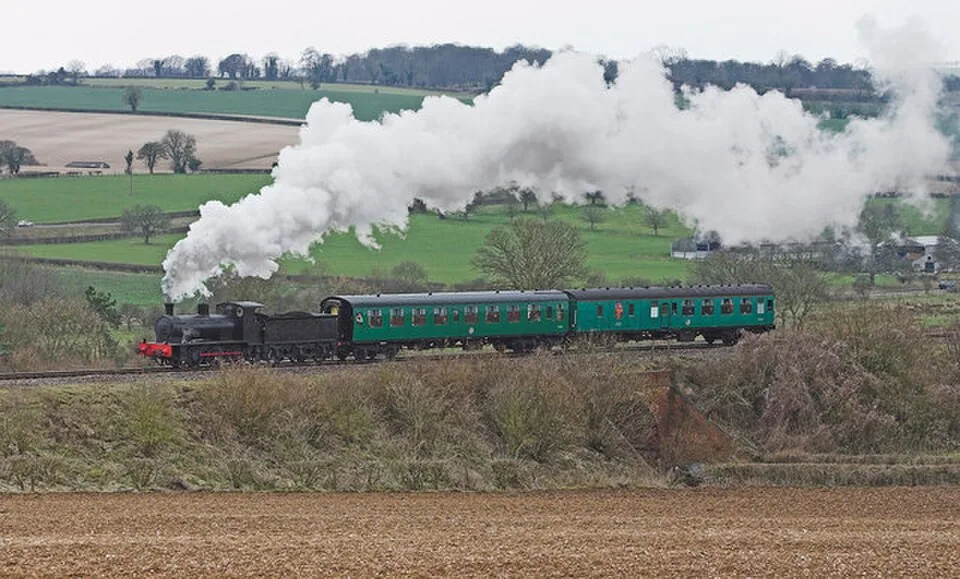
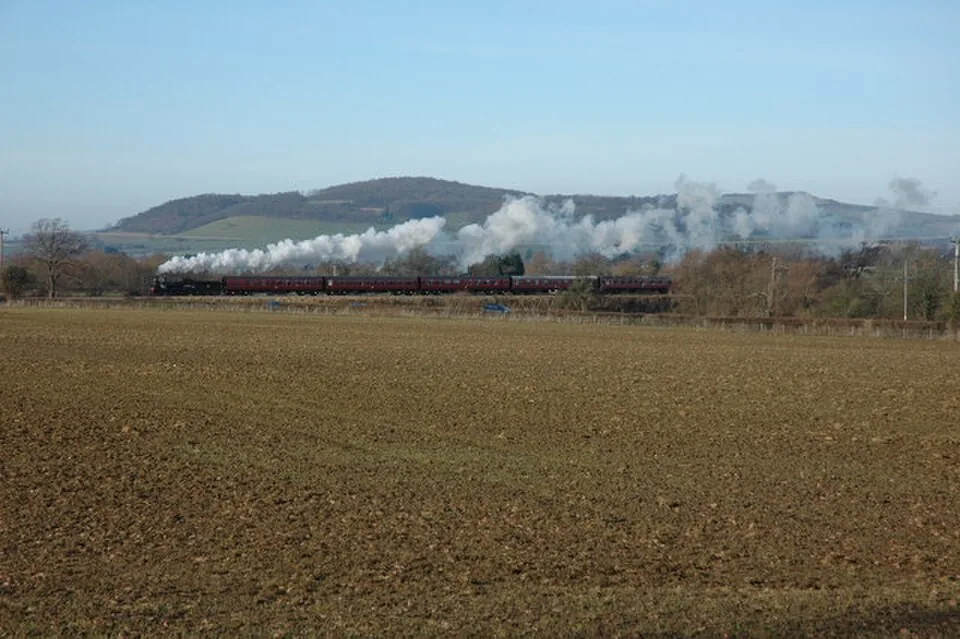
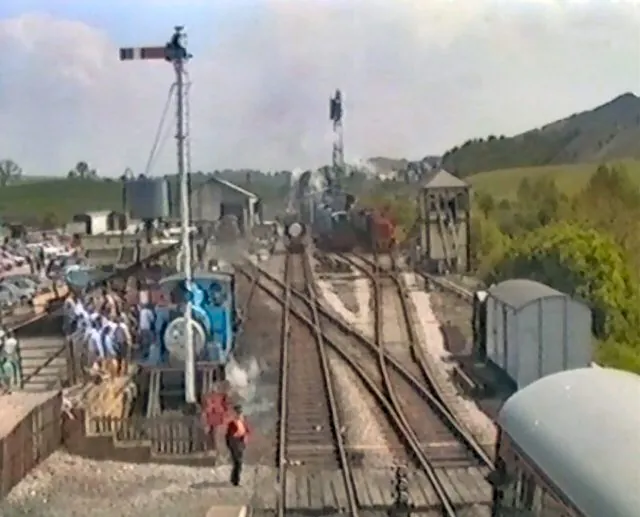
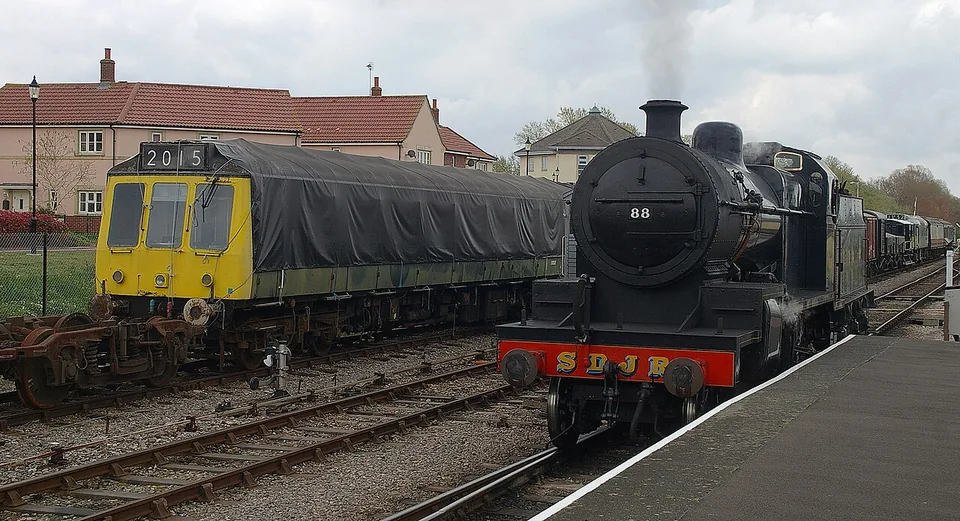
Historic infrastructure, preserved trains and the landscape around the line.


Eight route photographs link to their original Wikimedia Commons pages for the creator, licence and reuse terms.
Reach Taunton on the main line, using the National Rail planner for connections from London, Bristol or Exeter, then continue by the bus link to Bishops Lydeard. The heritage railway’s published directions identify Taunton as its nearest main-line station; a main-line arrival does not bring us directly onto its platforms.1415
Buses of Somerset service 28 links Taunton with Bishops Lydeard, Watchet and Minehead. Use the operator’s dated route information for the railway connection and the stop serving Bishops Lydeard station; the railway links to First Bus from its directions page.14
Bishops Lydeard has a railway car park reached from the bypass by the signs for the railway and Halse. At Minehead the adjacent public car park is council-run. Parking at Watchet is also available beside the station; keep the car’s location in the return plan.1412
From Minehead, return on an advertised heritage train to Bishops Lydeard if that is where the car or outward connection waits. A linear trip can instead use bus 28 towards Taunton, subject to its separate timetable; the railway and bus are different operators.814
Start with the operating calendar and choose Bishops Lydeard or Minehead according to the wider holiday. We recommend a complete return and one unhurried stop, with lunch fitted between confirmed trains. If arriving by public transport, plan the journey to the heritage station separately: do not assume a main-line rail ticket or an arrival at Taunton automatically includes the onward transfer. Keep the final useful heritage return written down before leaving the starting station.1
The railway publishes a station-by-station accessibility table and information about accessible carriages. Blue Anchor has ramped platforms, while its visitor page says there are no accessible toilet facilities at the station. Discuss the actual stops and train with the railway if those details affect the day. Choose a shorter plan with dependable boarding and facilities over an ambitious sequence of intermediate visits.3
West Somerset Railway services are seasonal and run on dates shown in its own calendar. Special events may use a different timetable and ticket arrangement. Check the selected date before choosing accommodation or a connecting bus, then check again shortly before travelling. The sea can be enjoyable in mixed weather, but a coastal stop needs suitable clothing and enough time to return to the platform without haste.1
Buy the ticket that matches the intended route and stops through the railway’s booking information. Its site offers travel tickets and rover options, with separate arrangements for events and dining. Compare what is included before assuming unlimited travel or admission to an extra attraction. First decide whether the day is a single return outing or a series of station visits, then select the appropriate product. Keep the dated timetable alongside the ticket confirmation.
For a steam-focused visit, check the advertised traction as well as the route. Heritage diesel trains are part of the railway’s operation, and an event can be built around a different experience from an ordinary running day. Ask the railway when a particular locomotive or carriage is essential, then read the substitution conditions. A ticket buys the advertised journey subject to those conditions, so the day should still have a worthwhile destination and time off the train.12
The Blue Anchor section gives the clearest reason to prepare a coast-facing window image. Keep the frame simple and avoid photographing across another passenger’s seat. At stations, platforms and public viewing areas can provide better train photographs than leaning from a carriage. Follow the railway’s directions, keep away from the track and let the crew work without obstruction. A photograph made during a planned stop is easier to enjoy than one attempted while watching the clock for a departing train.46
Treat this as a railway day with breaks, and carry what you need for changing coastal weather. Bring a compact bag and arrange meals around the chosen stops, checking any on-train refreshments with the railway. Ask staff about the correct platform and boarding arrangements when changing trains. The preserved carriage is part of the experience, but comfortable access and a clear view matter more than claiming a particular seat for the entire day.13
Use the railway’s dated timetable for the riding time and allow additional time at Minehead or an intermediate stop. Set aside a day for a complete return with a meal and one relaxed visit.2
Choose the right facing forwards towards Minehead for the Bristol Channel at Blue Anchor Bay; inland sections offer countryside on both sides, so keep watching beyond the coastal highlight.6
Yes, when the selected running day and your journey to the station support the plan. We recommend a full return with Watchet or Blue Anchor as one optional stop, keeping a comfortable margin before the final train.2
Read the railway’s accessibility table and confirm the carriage and stations for your visit. Facilities differ by stop; Blue Anchor’s visitor information specifically notes the absence of accessible toilets there.34
Reach Taunton on the main line, using the National Rail planner for connections from London, Bristol or Exeter, then continue by the bus link to Bishops Lydeard. The heritage railway’s published directions identify Taunton as its nearest main-line station; a main-line arrival does not bring us directly onto its platforms.1415
Read the route
Chosen for this line, its train type or the wider pleasure of slow rail travel.
by Julian Holland
A visual guide to 100 locomotives, best paired with the heritage railway pages.
View physical book (opens in a new tab)by Sherin Aminossehe
An illustrated history told through fourteen journeys—a useful companion for the wider collection.
View physical book (opens in a new tab)Further reading
Official planning
Book with the railway, or use National Rail to put your journey together.
Some links earn us a small commission at no extra cost to you.
Find places to stay in Minehead on Booking.com (opens in a new tab) Book your tickets with the railway (opens in a new tab) Open Homepage West Somerset Railway | Vintage Steam Train Experience (opens in a new tab)Continue exploring