Services are limited on the coast section and may require a change or train division at Machynlleth.1
Reservations
Choose an unobstructed window where possible; a reservation may not specify the side.
Typical train
Transport for Wales regional diesel trains; formation can change.
Pick your window
Which side to sit on the Cambrian Coast Line
Cardigan Bay lies on the left heading north from Machynlleth towards Pwllheli.1
left side
Aberystwyth to Pwllheli
Facing forwards: favour the left window.
Cardigan Bay lies on the left heading north from Machynlleth towards Pwllheli. Apply this advice after any change or reversal at Machynlleth; the Aberystwyth connection uses the other branch. Inland Eryri views are on the opposite side.13
right side
Pwllheli to Aberystwyth
Facing forwards: favour the right window.
Sit on the right (facing forwards) for Cardigan Bay on the southbound Pwllheli–Machynlleth leg; reassess the side after a change or reversal before Aberystwyth.13
Why ride it
The view from the train
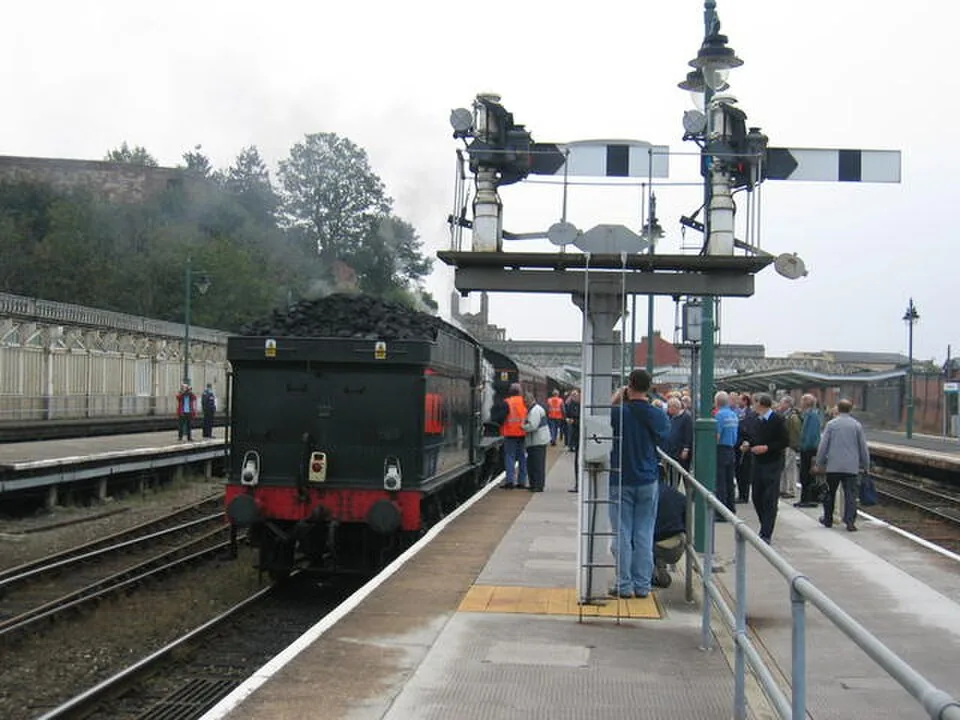
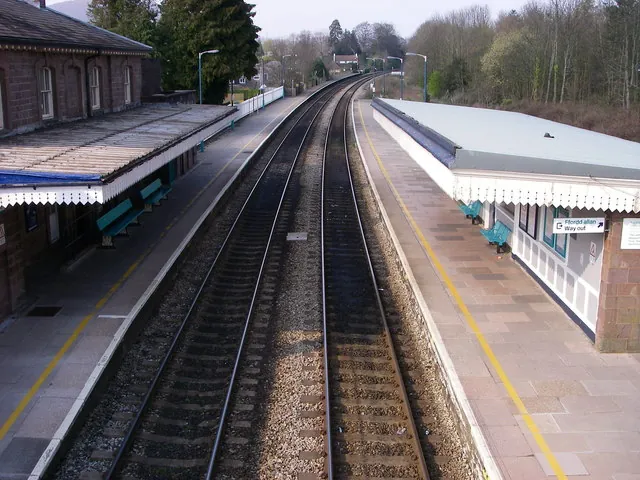
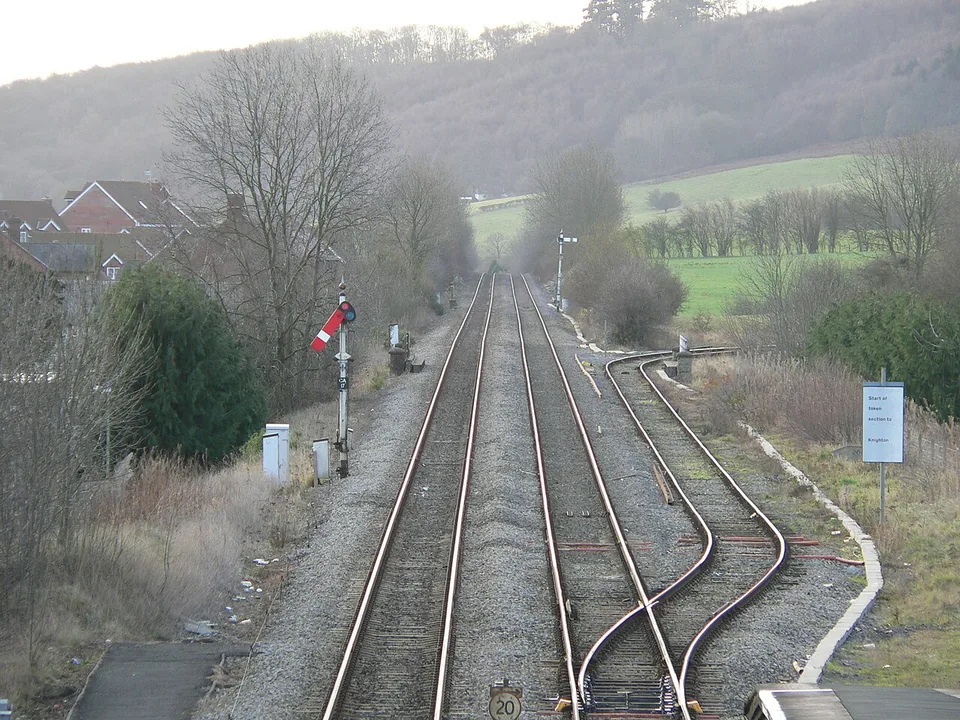
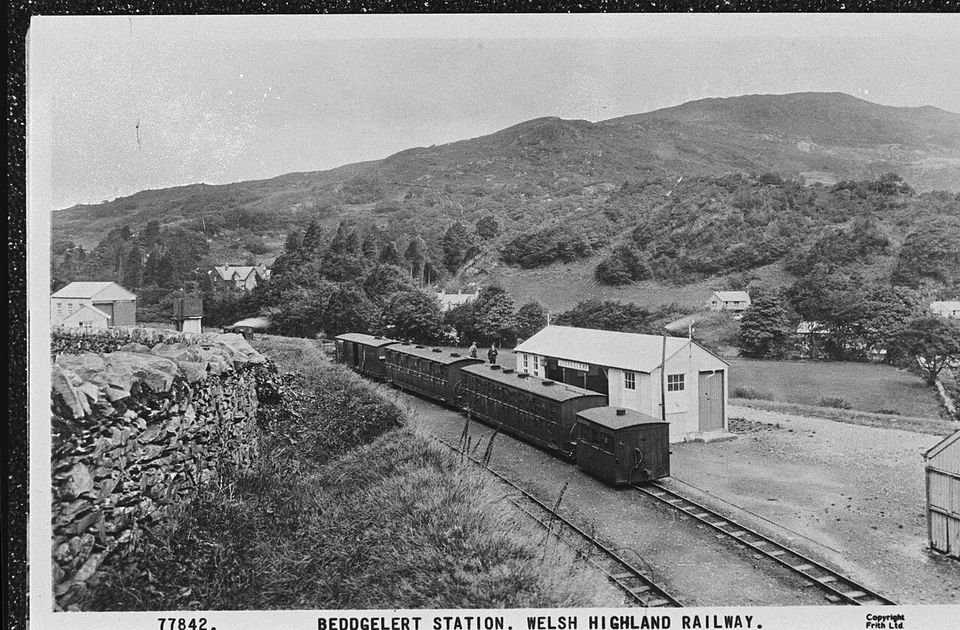
The Cambrian Coast links Aberystwyth with the railway around Cardigan Bay and the Llŷn Peninsula. Dovey Junction separates the Aberystwyth and Pwllheli branches. The northern branch follows the Dyfi Estuary through Aberdyfi, reaches Tywyn and crosses the Mawddach on Barmouth Bridge. Harlech adds a castle above the coastal plain, with the Eryri mountains inland. Farther west, Criccieth and Pwllheli bring the journey onto the Llŷn coast. Aberystwyth–Pwllheli travel involves the junction or Machynlleth connection shown in the timetable.
Visit Wales traces the line through Aberdyfi, Tywyn, Barmouth, Harlech, Porthmadog and Criccieth. Use that sequence to choose the kind of stop you want. A beach afternoon calls for a different plan from a castle visit, and adding a heritage railway would make another distinct outing. Pick one main aim before choosing the ticket. It is much easier to enjoy the scenery when you are not trying to squeeze every coastal town into the same day.
At Barmouth, watch the relationship between the railway and the Mawddach Estuary. The bridge is part of the ride itself; exploring the waterfront afterwards adds a different perspective. The changing water and distant land make the view interesting even if you are not taking photographs. Save some attention for the approach as well as the crossing.
There is no fixed side recommendation here that promise throughout the whole route. The coast is the theme of the journey, but the railway's attraction also lies in the way towns, estuaries and inland ground appear in succession. If you make a return ride, try a different seat when one is available and comfortable. You can discover a second version of the same line without adding another destination. Cardigan Bay lies on the left heading north from Machynlleth towards Pwllheli. Apply this advice after any change or reversal at Machynlleth; the Aberystwyth connection uses the other branch. Inland Eryri views are on the opposite side.
For a longer break, consider using the railway to connect a few deliberate stays. One day might centre on Barmouth and another on Harlech or Criccieth. The train then becomes part of exploring the coast.
Dyfi EstuaryBarmouth BridgeEryri coast
Best stops on the Cambrian Coast Line
Choose one main stop for a day out. Distances are one way from the station unless a circuit is stated; walking times are our estimates except where the attraction publishes one. Allow-time suggestions include time to look around.
Measured from the public station approach; allow extra time to leave the platform.
Check the next train back before leaving the station
Request stop: No — use a service shown as calling here.30
What is nearby
MOMA Machynlleth — The Tabernacle combines art galleries with a concert hall in a converted chapel.
From the platform
Leave the station for Heol y Doll, then use the town-bound pavement and the route through Maes Glas towards the gallery courtyard; the measured approach is about 0.25 miles. We suggest the gallery first, with the town centre afterwards.
Access: Machynlleth has step-free platform access and lifts. The town route has crossings and a gentle rise; MOMA publishes level gallery access and lifts to all floors.
Food and drink
Tabernacle Coffee Shop — MOMA’s own café serves drinks and Welsh cakes; consult the gallery for availability.
Check the next train back before leaving the station
Request stop: No — use a service shown as calling here.27
What is nearby
Aberdyfi beach — Sand beside the Dyfi estuary makes this a natural place to stretch a coastal journey.
From the platform
From the platform follow Station Road towards the seafront, taking the public path towards Burma Road and the beach approach; allow about 0.25 miles. Continue east along the front for the village shops.
Access: The station has step-free access via ramps. The road approach is mostly gentle, but loose sand is not a step-free hard-surfaced route.
Food and drink
Blas Aberdyfi — Coffee, sandwiches and bakes in the village near the beach.
Check the next train back before leaving the station
Request stop: No — use a service shown as calling here.32
What is nearby
Tywyn Wharf and the Narrow Gauge Railway Museum — The Talyllyn terminus brings the preserved railway, museum and café together.
From the platform
Exit onto Station Road and follow the road south towards Tywyn Wharf; the railway publishes a 300-yard connection. Keep the return main-line departure separate from any Talyllyn booking.
Access: Tywyn main-line station has some step-free access to both platforms; check the station map for the appropriate entrance. The street connection is paved; the Talyllyn access statement explains its boarding ramps and museum access.
Food and drink
King’s Café — The café at Tywyn Wharf is convenient for a meal before a heritage-railway departure.
Allow time: 1–2 hours for Wharf and the museum, or a separate half-day for a Talyllyn trip.
Check the next train back before leaving the station
Request stop: No — use a service shown as calling here.28
What is nearby
Barmouth harbour — The harbour sits beside the estuary below the old town.
From the platform
Leave by Station Road, follow Jubilee Road towards the front and continue south on the promenade paths to the harbour; the mapped walk is about 0.4 miles. Keep to the lower town for the gentler approach.
Access: Barmouth station provides some step-free access to its platforms. The lower-town route avoids the steep lanes above the harbour; beach sand and individual building thresholds need separate consideration.
Food and drink
Davy Jones Locker — A harbour café in one of the town’s oldest buildings, overlooking the Mawddach.
Allow time: 1–2 hours for the harbour and promenade.
Measured along the public street approach to the visitor-centre entrance; the steep climb adds time.
Check the next train back before leaving the station
Request stop: No — use a service shown as calling here.29
What is nearby
Harlech Castle — Harlech Castle stands above the lower town, with views towards the coast.
From the platform
Leave the east side of Harlech station and take Hwylfar Nant, Ffordd Pen Llech and Twtil to the castle visitor-centre entrance. The measured street approach is about 0.35 miles, with a steep climb and a downhill return.
Access: The castle’s ground-level visitor route includes its entrance bridge; towers and wall walks have steep stairs. The station-to-castle ascent is steep and should not be treated as an easy wheelchair link.
Food and drink
Caffi Castell — The café by the castle visitor centre has views across the coast and mountains.
Check the next train back before leaving the station
Request stop: No — use a service shown as calling here.31
What is nearby
Porthmadog Harbour station — The heritage terminus faces the harbour at the southern end of town.
From the platform
From the main-line station head down High Street, continue to Britannia Terrace and follow the signed harbour-station approach at The Cob. Allow about 0.65 miles, then leave time to collect a separate heritage ticket.
Access: The walk follows town streets with crossings and little sustained climbing. Harbour station has a ramped entrance and level access to its platform, café and bar; main-line access is described on the National Rail page.
Food and drink
Spooner’s Café & Bar — The café and bar are inside Harbour station, at the far end of the walk from the Cambrian platform.
Allow time: 1–2 hours around the harbour; longer for a separately booked steam trip.
Eight route photographs link to their original Wikimedia Commons pages for the creator, licence and reuse terms.
How to get to the Cambrian Coast Line
By train
Reach Machynlleth over the Cambrian Main Line from Shrewsbury. Birmingham travellers use that corridor; from Manchester or Cardiff, plan a connection through Shrewsbury. Select the coast service towards Pwllheli, not the separate Aberystwyth branch.21241
By bus
The T2 links Machynlleth with Aberystwyth, Dolgellau, Porthmadog, Caernarfon and Bangor. It is a useful alternative for reaching a different part of the coast, but its inland route does not replace every intermediate coastal train stop.22
By car
Machynlleth station has a car park listed by National Rail. We suggest starting there if the return journey is by train, so the car is on the main-line side of the coastal branch.30
Returning from the far end
From Pwllheli, use a southbound Cambrian Coast service towards Machynlleth and check the onward Shrewsbury connection before choosing a long stop. A linear journey ending at Porthmadog can also connect with the T2 bus corridor.222
Day trip or overnight
Break the coastal journey at Barmouth for the waterfront or Harlech for the castle above the station. Check the exact Aberystwyth–Pwllheli connection: the branches meet at Dovey Junction and some itineraries use Machynlleth. Apply northbound seat advice to the Machynlleth–Pwllheli leg after changing trains or direction. A full coastal trip and a castle visit take longer than the through ride; an overnight at the chosen endpoint leaves time for both.1
Accessibility
TfW publishes train-accessibility information and individual station pages. Use them together when selecting your boarding point and stop-offs, then discuss assistance for the full itinerary. A castle visit or beach walk needs its own access planning beyond the railway. Dovey Junction's station information identifies a long unsurfaced approach and a track crossing; do not make it a casual interchange or sightseeing stop without understanding that access.10
When to go
Use the dated operating calendar for the Cambrian Coast Line, including any event-specific timetable and ticket conditions. For Cambrian Coast Line, we would put Dyfi Estuary into useful daylight, allowing a longer destination pause when the season provides enough light. At Pwllheli, settle the homeward Cambrian Coast Line service before beginning the planned walk. Any attraction added to the Cambrian Coast Line outing has separate opening arrangements; use Transport for Wales for the railway’s actual operating dates.1
Tickets
Transport for Wales offers an Explore Cambrian Coast ticket covering its trains between Pwllheli, Aberystwyth and Machynlleth, with the published scheme also including specified local bus travel. It is the named ranger option to investigate when you want to make several journeys within that area. Read its coverage and validity rules before combining the coastal train with a local bus. The Aberystwyth and Pwllheli branches meet at Dovey Junction, while Machynlleth may be the advertised connection for a particular itinerary.
TfW accepts eligible national Railcards and also publishes a Cambrian Railcard with local eligibility conditions. Those are different products: a visitor should not assume they qualify for the local card. TfW's Railcard guidance includes discounts on most Advance tickets. For your chosen station pair, compare the Single, Return and Advance options actually offered by the booking service. If an Advance fare appears, its conditions should guide the plan for any stop-off.18
Keep the camera ready for the Mawddach crossing, using a wider view to include water and the surrounding land. A photograph that shows the railway's setting often says more than a tightly cropped distant feature. At the coast, look for simple compositions. There is no best carriage promised by this guide: choose a clear piece of glass and a seat that suits the way you want to travel.
Sun direction deserves a look before a photography-focused trip, especially if you want to photograph across bright water. Compare the route with the sun's position for your date and departure; use the return journey for a second attempt. Keep flash off and shade the lens from the carriage interior to reduce reflections. In tunnels, put the camera down and anticipate the next open view. A shoreline photograph taken after a stop is a useful companion to the moving-window pictures.3713
On board
TfW welcomes passengers bringing their own food and non-alcoholic drinks. Bring a picnic you can manage neatly at your seat and enough water for the rail journey, leaving a town meal as an enjoyable option. The operator describes trolley catering on selected long-distance services; ask about your particular train if you want to rely on it. A small bag for lunch and a camera keeps the things you use most within easy reach.
TfW's guidance asks passengers to use overhead racks and luggage areas, keeping aisles and doors clear. Its train-accessibility pages describe the facilities on the Cambrian train fleet, including accessible toilets. For a bicycle, consult the bike policy and reserve a space where required for the chosen service. Keep the cycle arrangements separate from choosing a seat: a good view is most enjoyable when your belongings are securely stowed and everyone can move through the carriage.9101112
Frequently asked questions
How long is the Cambrian Coast Line?
The Cambrian Coast is best planned as a chosen section. Your exact itinerary depends on the starting station, branch and connections. Use TfW's journey planner for the pair you intend to travel, and add time for the seaside or castle stop separately.1
Which side is best on the Cambrian Coast Line?
Cardigan Bay lies on the left heading north from Machynlleth towards Pwllheli. Apply this advice after any change or reversal at Machynlleth; the Aberystwyth connection uses the other branch. Inland Eryri views are on the opposite side.13
Is the Cambrian Coast Line suitable for a day trip?
Yes, make one town the centre of the day and let the railway provide the journey to it. Barmouth is a good starting idea for a waterfront break, while Harlech suits a castle visit. Avoid making several lengthy stops essential. For a first outing, a straightforward return can be more satisfying than an elaborate coastal circuit.7
Is the Cambrian Coast Line accessible?
TfW provides accessible-travel guidance, but your station choices and destination activity matter. Discuss assistance, boarding and toilet requirements for the service you intend to use. Plan a beach or castle visit separately from railway access. Dovey Junction needs particular attention to its approach route, so a different stop may make the outing much more comfortable.10
How do I get to the start of the Cambrian Coast Line?
Reach Machynlleth over the Cambrian Main Line from Shrewsbury. Birmingham travellers use that corridor; from Manchester or Cardiff, plan a connection through Shrewsbury. Select the coast service towards Pwllheli, not the separate Aberystwyth branch.21241
Further reading
Read the route
Chosen for this line, its train type or the wider pleasure of slow rail travel.
Physical edition
Slow Trains Around Britain
by Tom Chesshyre
A contemporary, slow-travel circuit of Britain for readers who enjoy the journey as much as the destination.